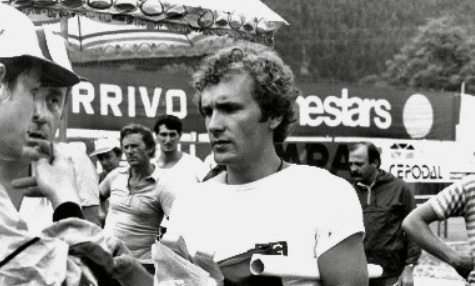
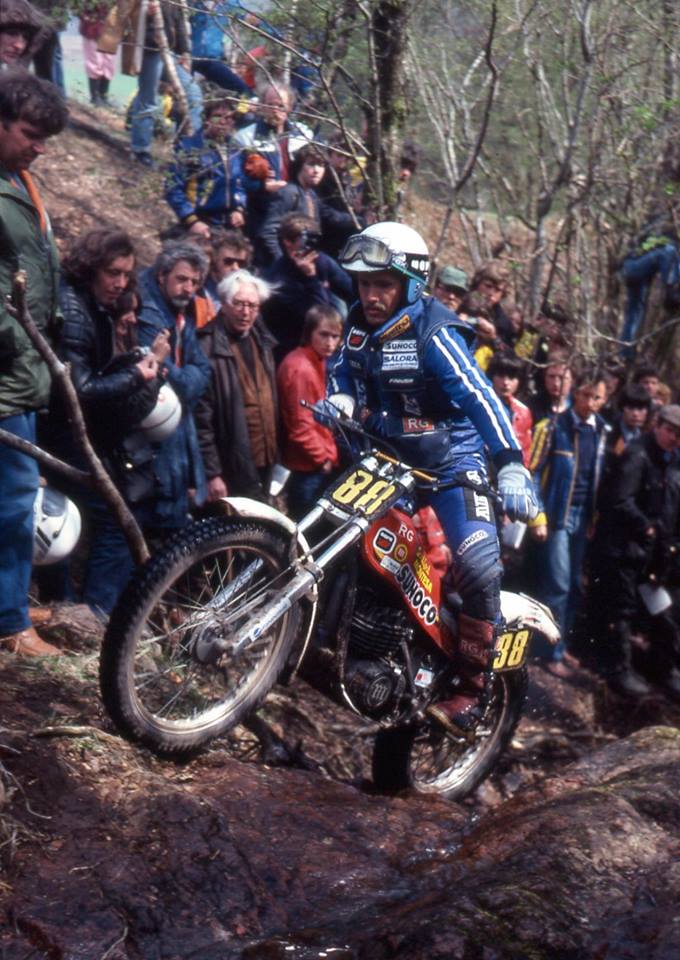
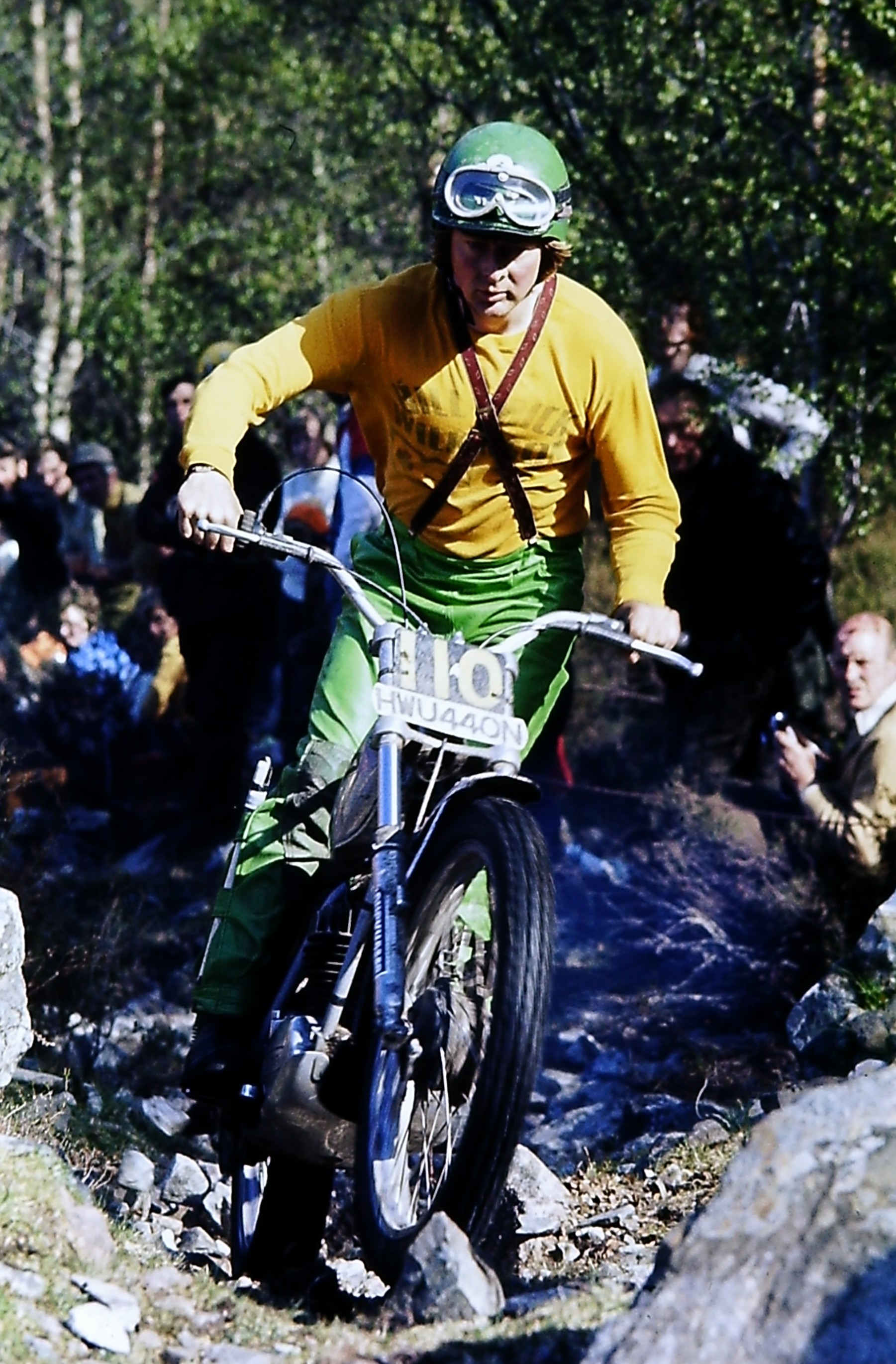
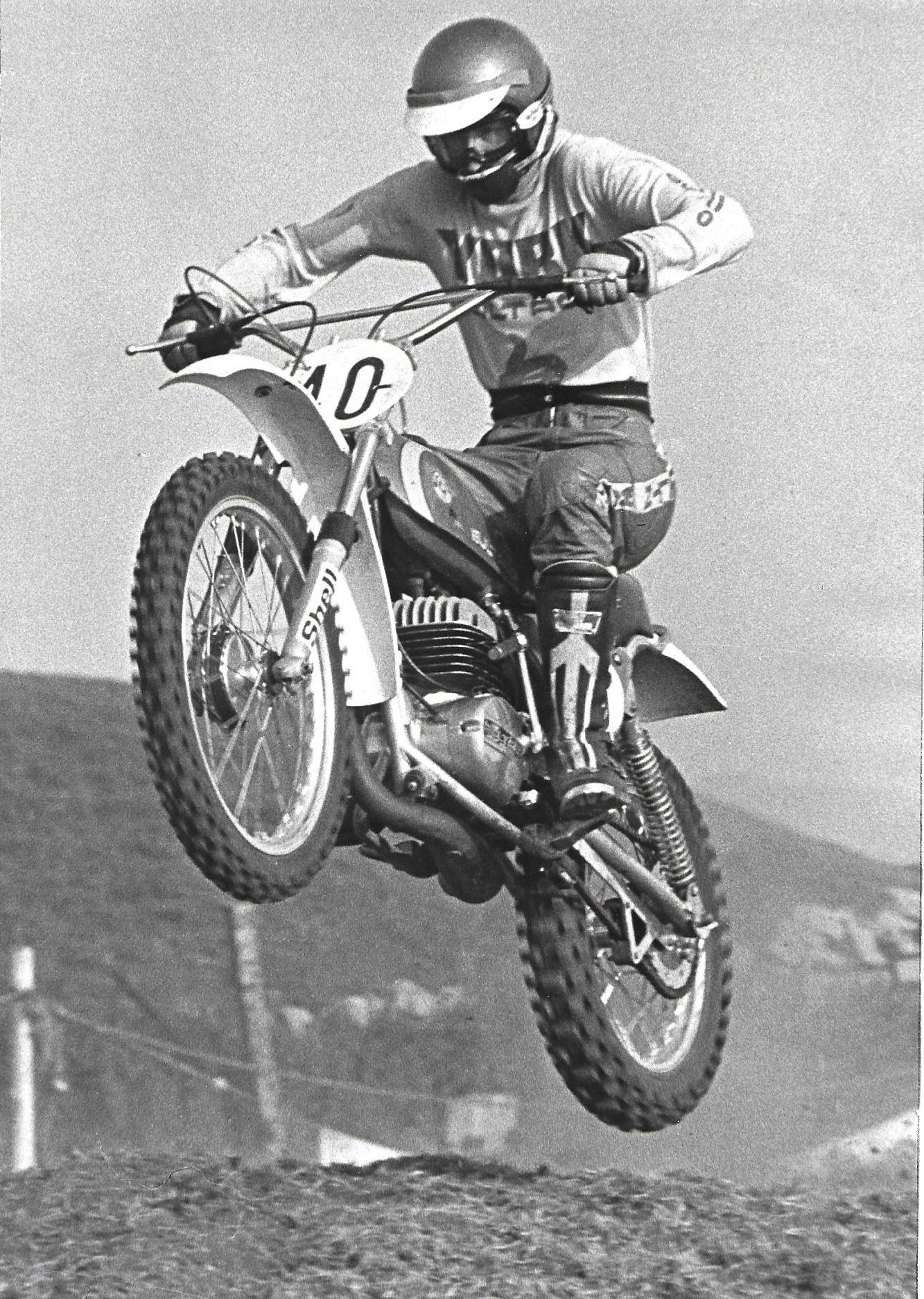
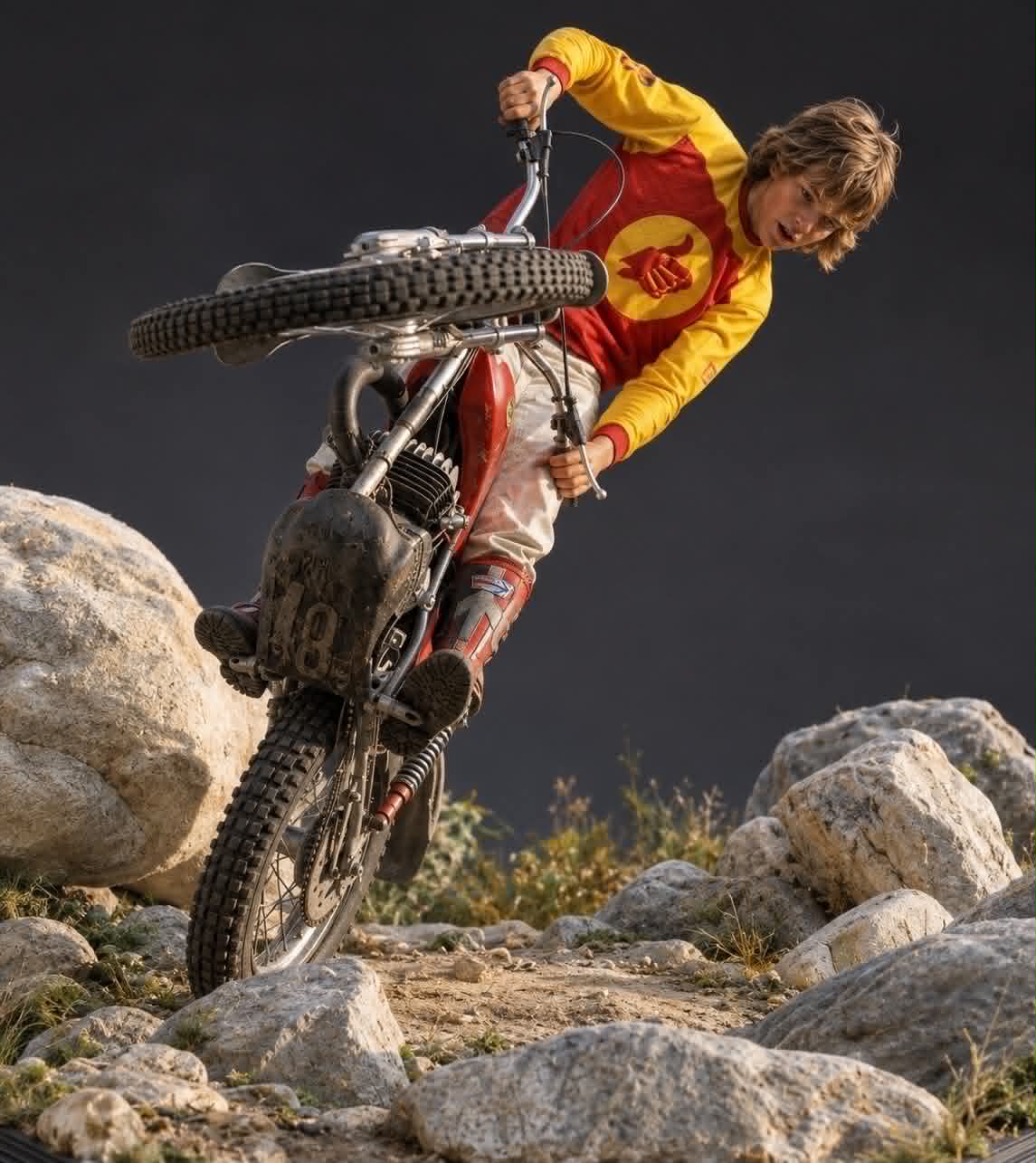
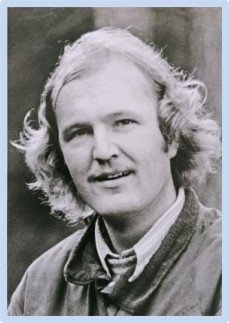
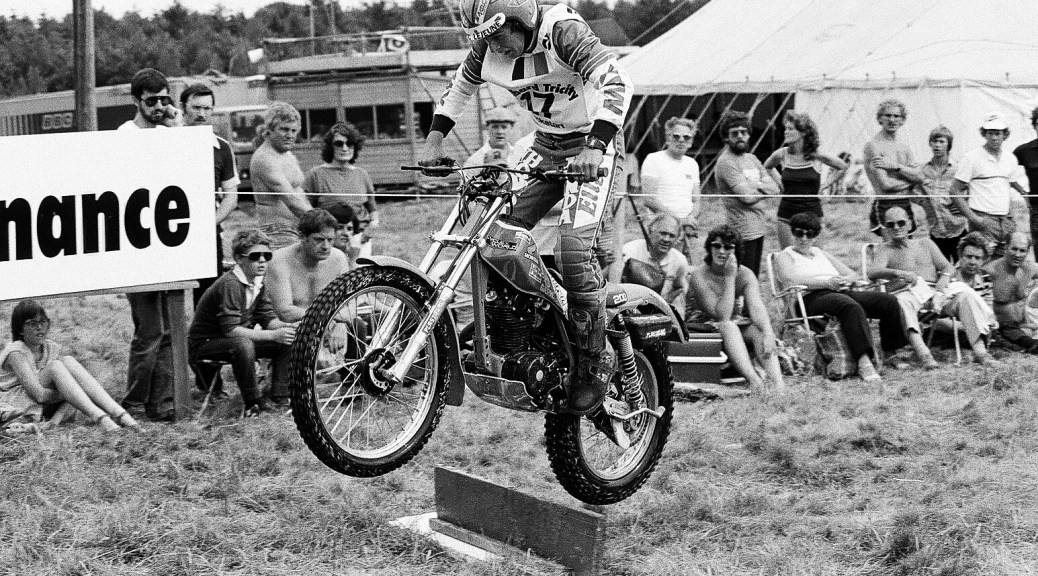
Fifty years ago, a young Finnish rider introduced himself on the world trials stage, his name was Yrjö Vesterinen.
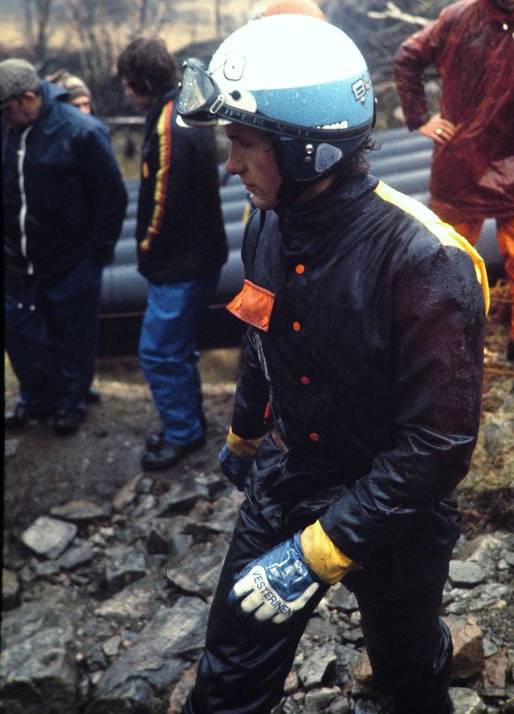
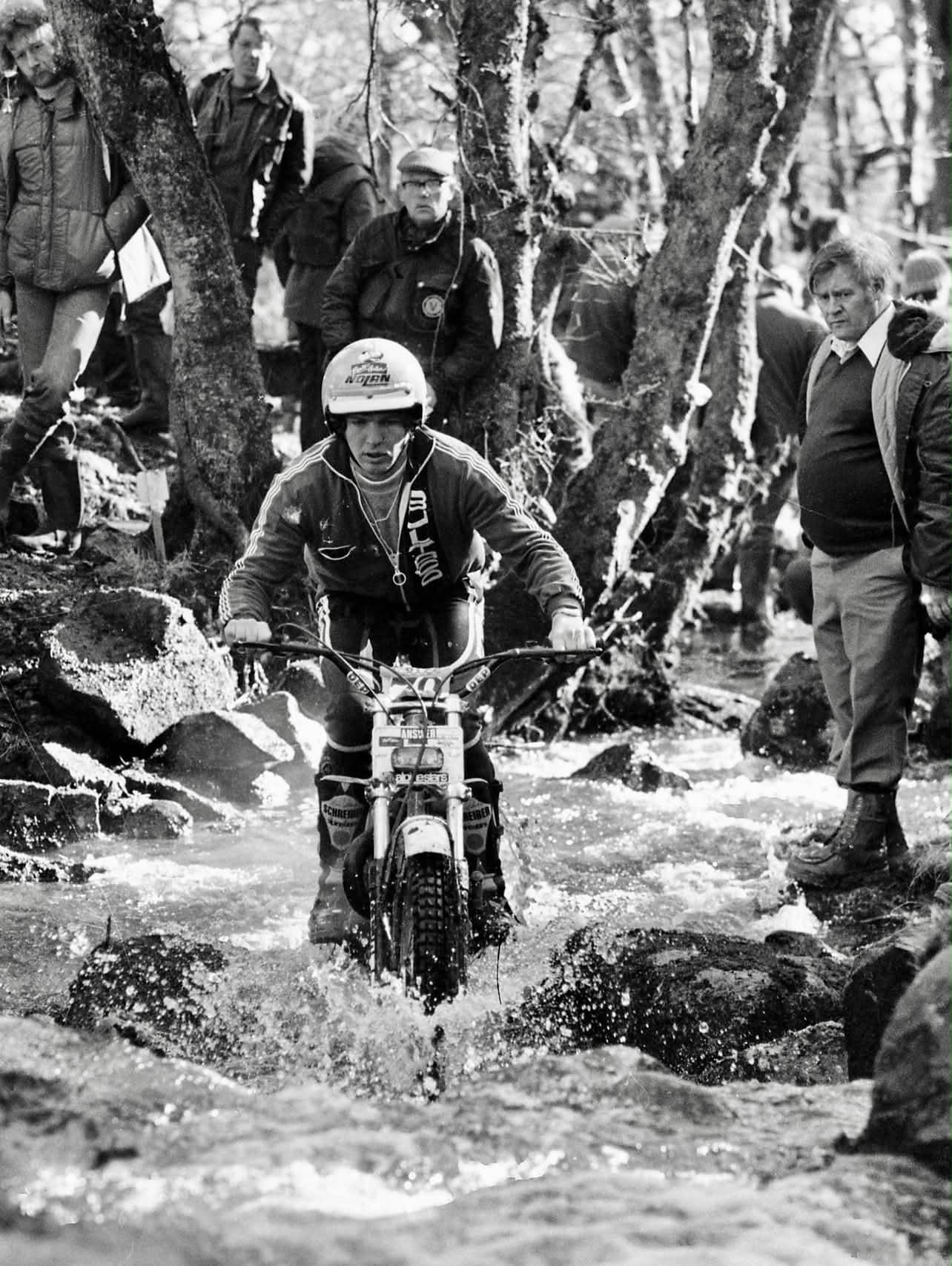
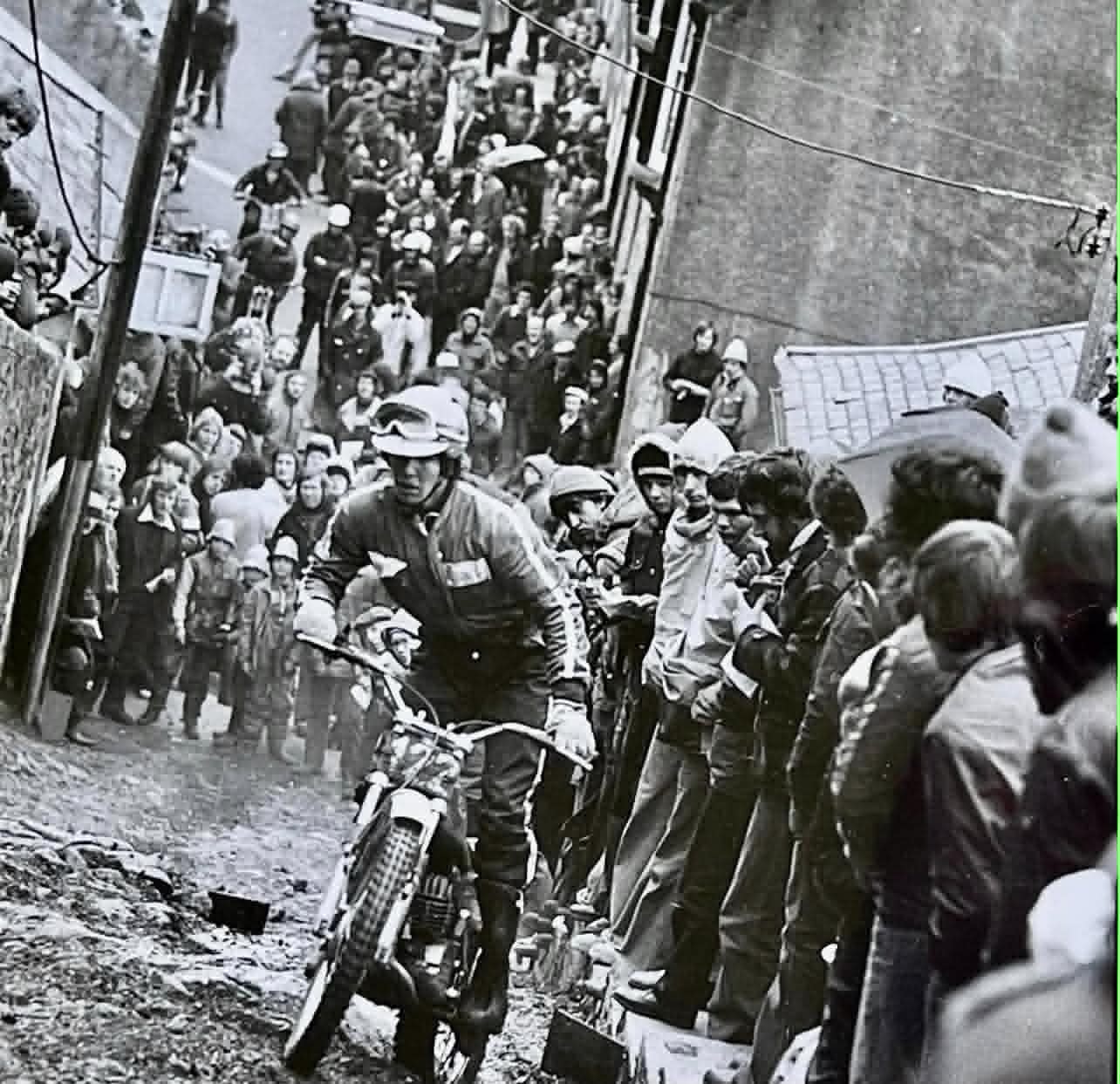
Yrjo Vesterinen walks the famous Pipeline section at the Scottish Six Days Trial – Photo: Jimmy Young
It is hard to believe that it is now 50 years since Yrjö stamped his authority on the world stage of trials. Back in 1976, ‘Vesty’ as he was to become universally known, clinched his first of three world titles and secured his place in trials history.
This is a Trials Guru tribute to a true champion as we celebrate 50 years since his first World Championship win.
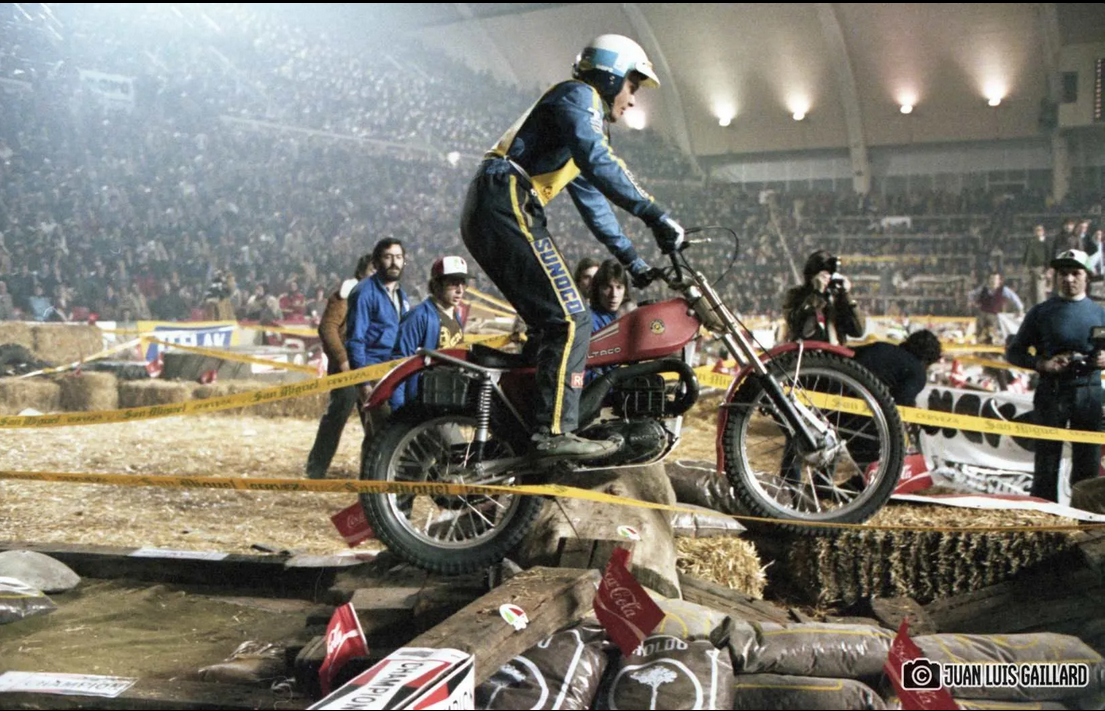
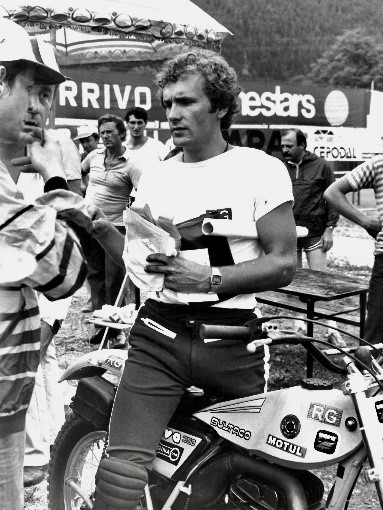
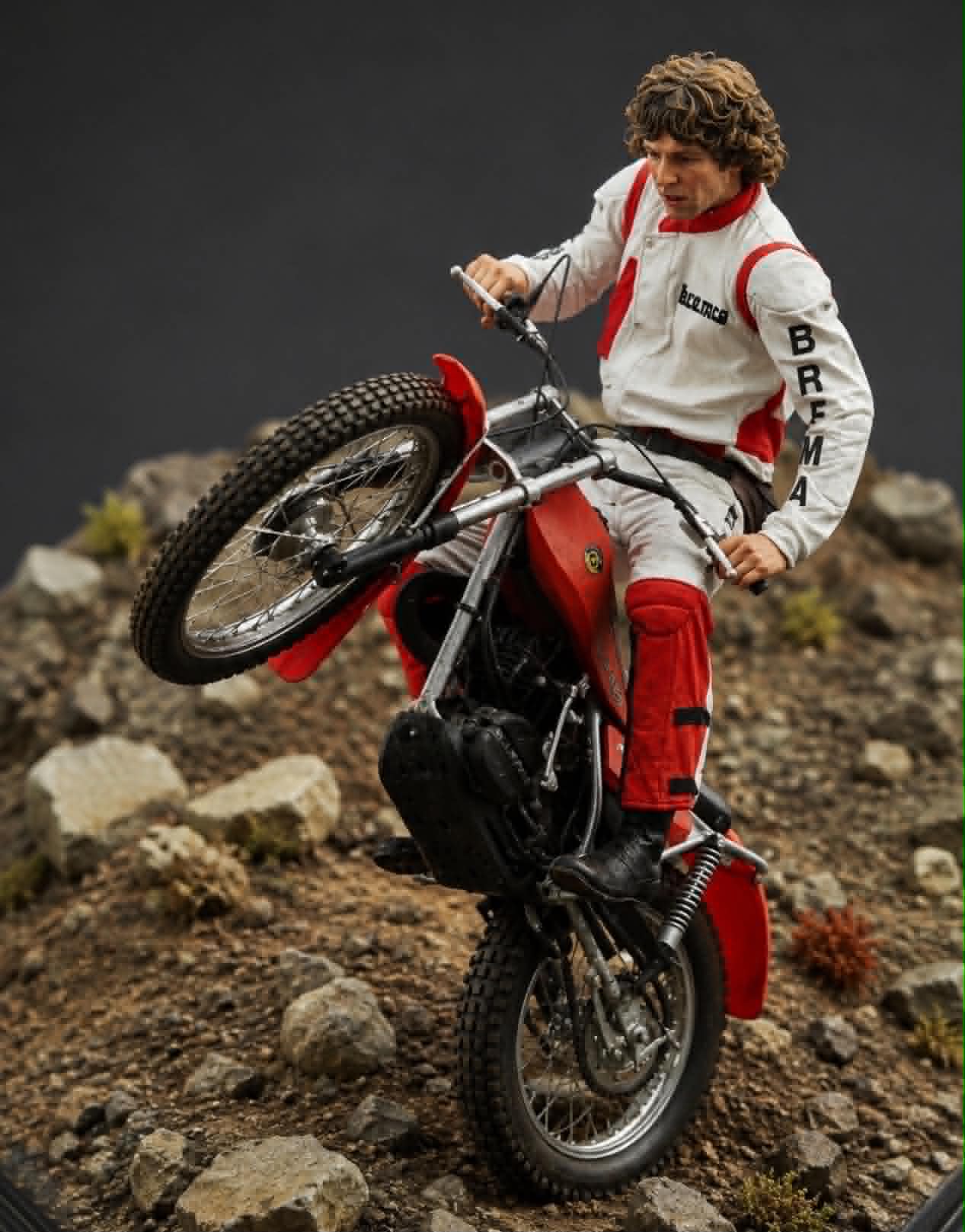
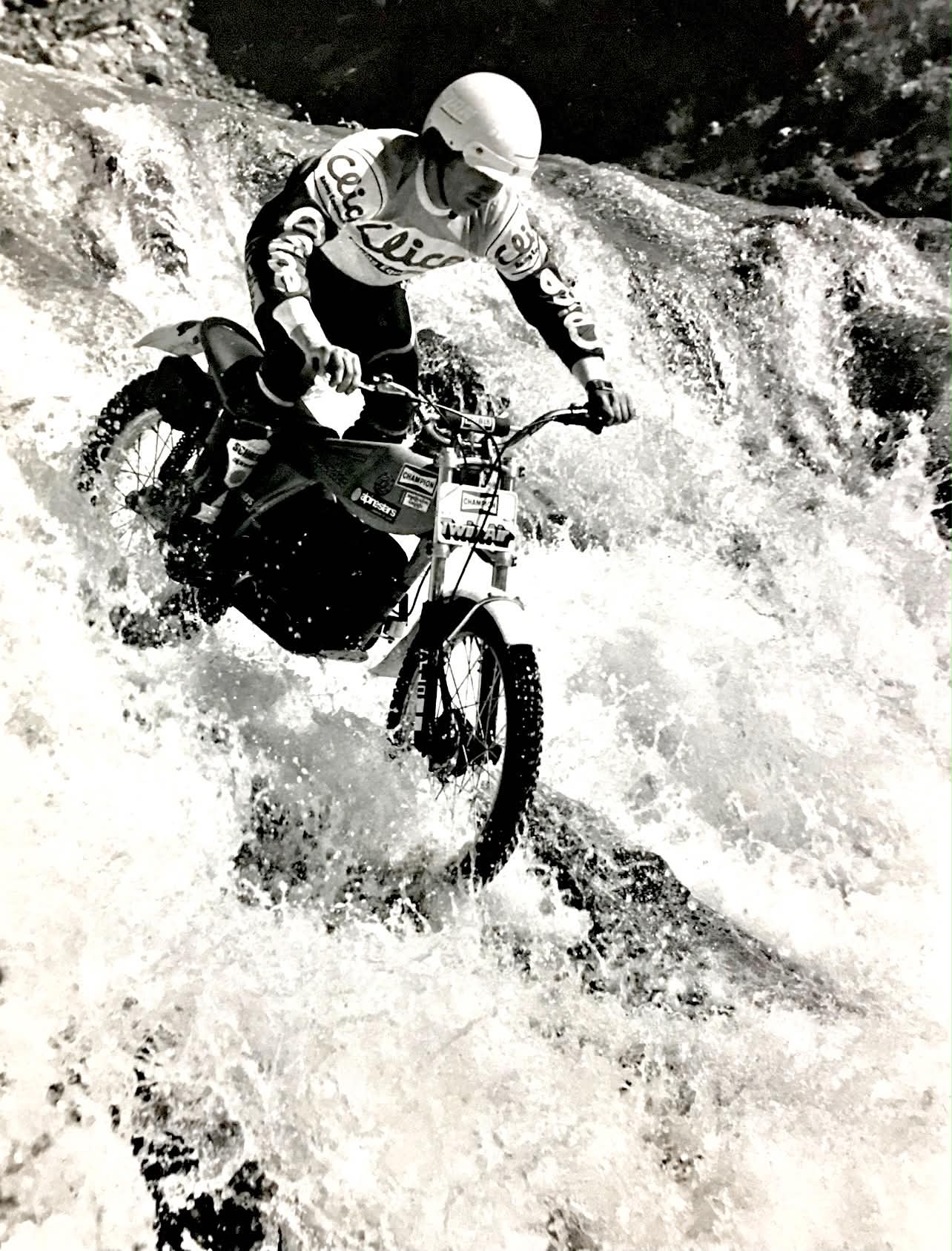
Photo: Juan Luis Gailliard
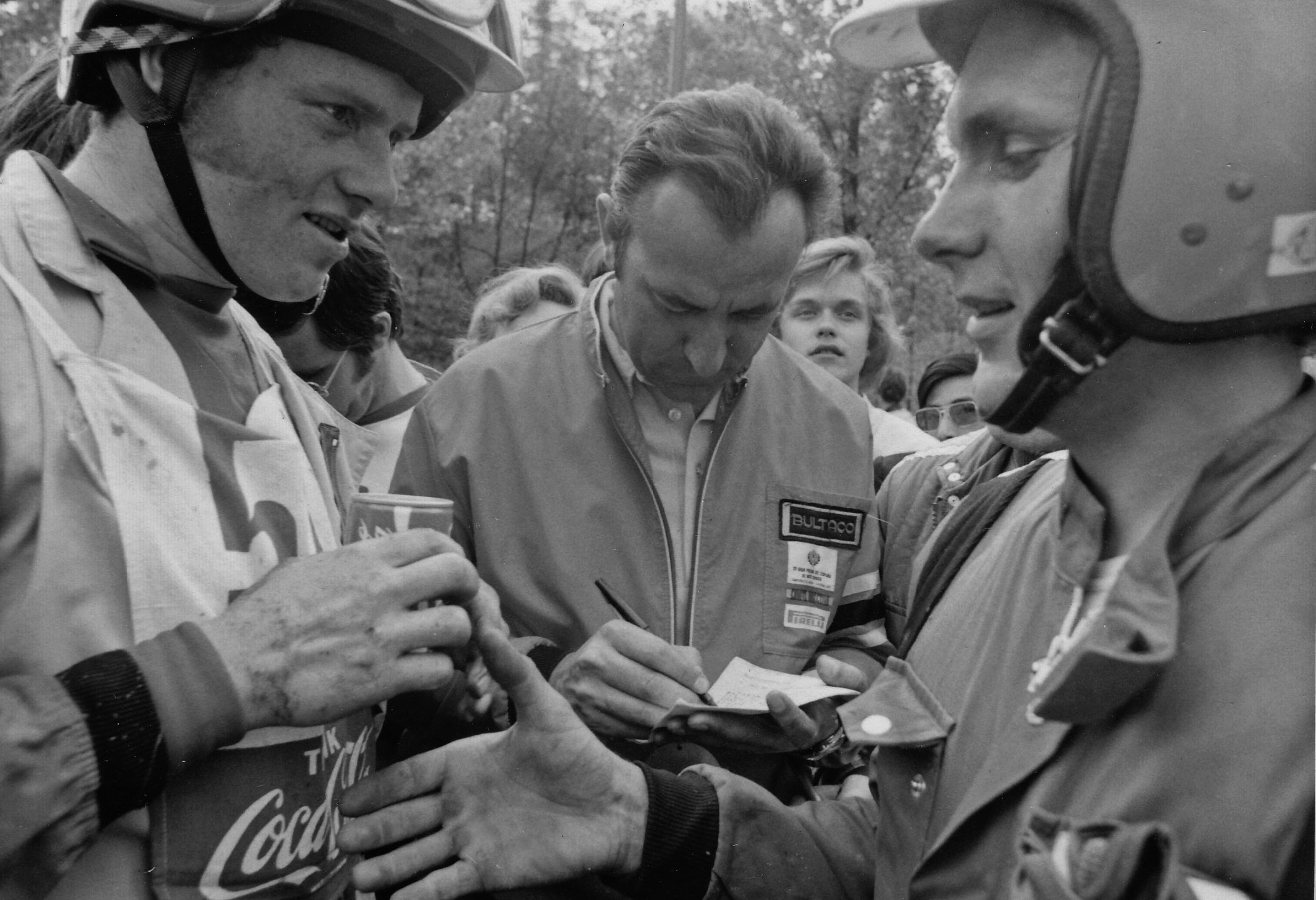
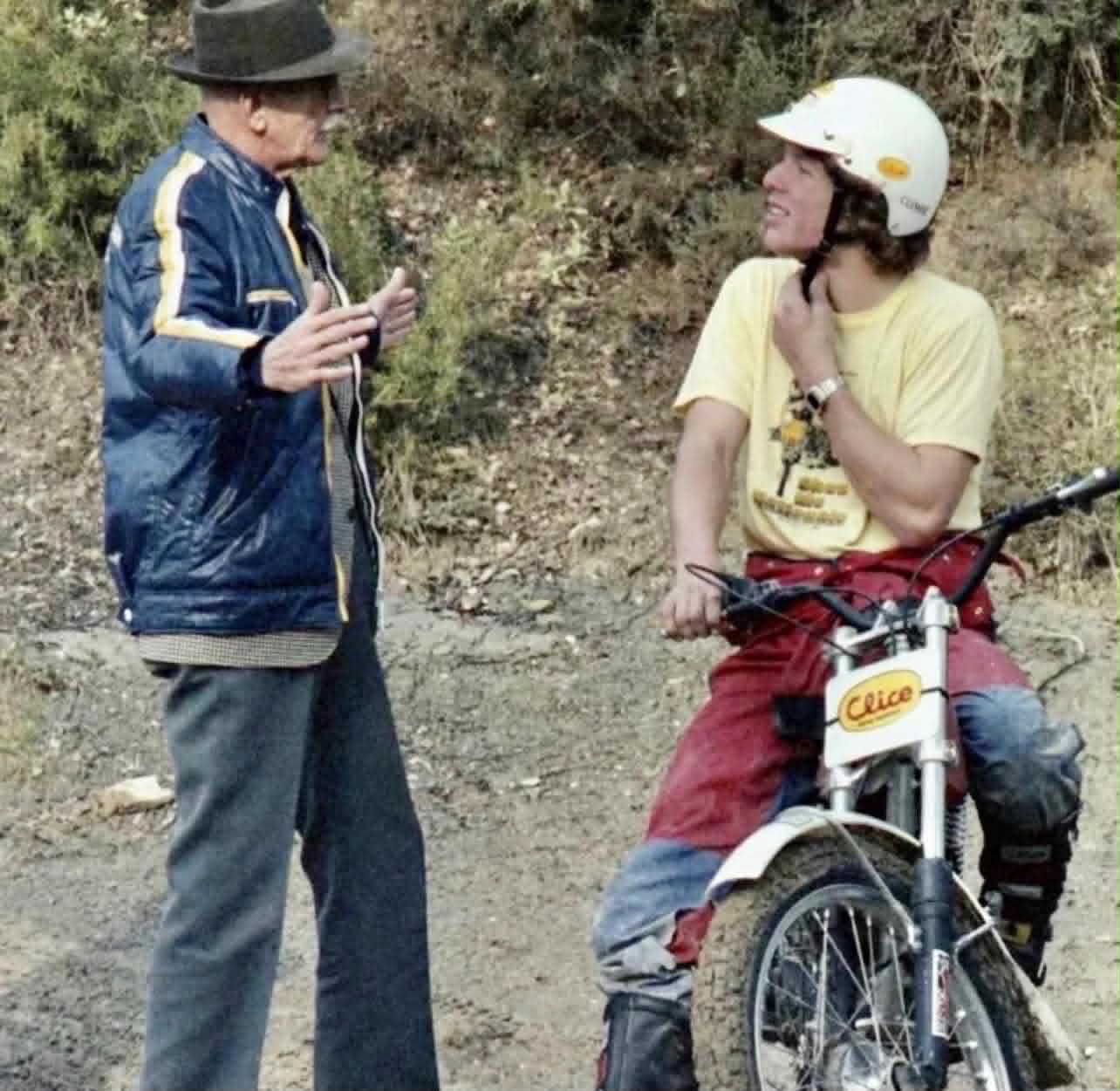
He won the FIM world title three times in succession, 1976, 1977 and 1978, but also became British Trials Champion in 1982, eleven times Finnish trials champion, between 1970 and 1980 and seven times Scandinavian Trials Champion. He also was victorious in the 1988 Scottish Six Days Trial, albeit riding the unfamiliar 349 Montesa Cota under a factory contract which lasted for one season only. The greatest of his other victories were achieved on Bultaco machinery, a brand he was passionate about and to which he was fiercely loyal.
Yrjo Vesterinen (349 Montesa) winning the 1980 Scottish Six Days on Trotters’ Burn’. Photo: Iain Lawrie.
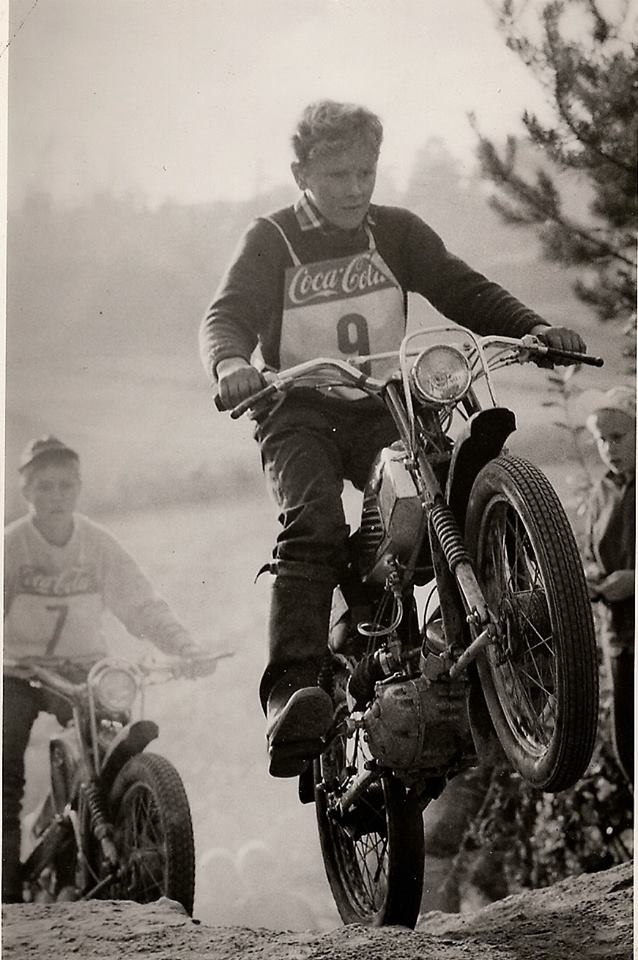
Yrjö Vesterinen wasn’t born a competitor, but growing up in Finland and loving the outdoor life, competition became part of his life, whether that be climbing trees or riding his bicycle, things progressed to moped trials, popular in Finland.
Yrjö’s journey to world champion really began back in 1970 when the premier championships were the European series, known originally as the Henri Groutars Challenge. Vesty finished fourth in the Finnish round that year. He finished in fourteenth position against the best riders in Europe at the time. The following year he had a podium result at the Finnish round behind Malcolm Rathmell and Mick Andrews.
In 1975, the inaugural FIM World Trials Championship had Martin Lampkin (Bultaco) crowned as the first official world champion, runner up was Yrjö Vesterinen also Bultaco mounted. Vesty’s result signaled to the world trials fans what would happen the following year.
British Championship action with Yrjo Vesterinen – Photo: Colin Bullock/CJB Photographic
In the nine years (1975-1983) that Vesty took part in the FIM World series, he accumulated three wins, two second place, two thirds, a tenth and a seventeenth place.
Reflecting on how it all began on his social media in September 2026, Yrjö Vesterinen wrote: “Fifty years ago this week I was in Switzerland for the second to last World Championship trial of the 1976 season.“
“My first trial was in 1967 on a moped. What followed was a journey, literally, through loads of mud and rocks. Right from the beginning I knew it was going to be an adventure towards the unknown. It became one hell of a journey and with just one goal in my mind!
In hindsight the most valuable things I ever gained were not the trophies and Championships I won. It was the life long friends I made along the way.
Also I would like to thank all my supporters and sponsors for all their help during this journey.”
Yrjö Vesterinen, Trials Guru and it’s readers salute you.
Three times FIM World Trials Champion – Yrjö Vesterinen
Words: Trials Guru & Yrjö Vesterinen
Photos: Iain Lawrie; Jimmy Young, Colin Bullock; Yrjö Vesterinen private archive; Juan Luis Gailliard; Guilio Mauri/Valenti Fontserè.
It is with sadness that we announce the passing of Surrey-born trials enthusiast, Malcolm Henry Smith, formerly of Norleigh Kennels, Ardersier, Inverness on Monday 14th September, 2026 aged 84 years.
Malcolm was brought up on the family farm at Dunsfold, Guildford, Surrey within ear-shot of the airfield where more recently filming for BBC’s ‘Top Gear’ programme was produced. He grew up in a farming and outdoor environment with younger brother Mike who ventured into the motor trade. Malcolm became interested in shooting and gun-dog training in which he earned his livelihood. He was friends with Roger Kearsey, not only a shooting consultant but a semi-factory trials rider for BSA and Matchless.
His gun dog training and shooting management to him far north to the Scottish Highlands where he and his wife Margaret brought up their two daughters, Daska and Tracey in a farmhouse that had been in the management of Cawdor Estates. Malcolm was a well-known face at the many agricultural and game shows when he delivered gun dog handling demonstrations during the summer months. He was responsible for shooting activities on the Dunmaglass Estate near Inverness.
Malcolm as a teenager frequented the mighty Comerford’s dealership in Portsmouth Road, Thames Ditton especially on a Saturday morning when the many deals were done by the knowledgeable sales staff who also competed on the following day. Malcolm splashed out on a second-hand 225cc DMW trials machine and that started his interest in motorcycle trials, taking part in many local events around the Guildford area. This continued when he took up residence in Nairnshire and he became involved with setting up a trials section in the Grampian MCC. The club were predominantly motocross based, so eventually, Malcolm and the trials members decided to form a new club in Inverness and the Inverness & District Motor Cycle Club was formed and quickly affiliated to the Scottish ACU in 1978. The new club benefited from Malcolm’s experience and his connections with local estate owners, game-keepers and estate factors.
The Laird of Alvie, Jamie Williamson (left) welcomes the riders and enthusiasts to his Alvie Estate which has been in his family since 1927. Malcolm Smith stands beside Jamie in the yellow jacket – Photo: Lorna Brackenridge
One such connection was the Alvie Estate near Aviemore where club member, Ray Sangster had run the idea passed the Laird, Jamie Williamson. This eventually commenced the relationship with the estate which has lasted almost fifty years. It was Malcolm that became the club’s Landowner’s Liaison specialist as he understood completely how these areas were looked after. The relationship matters were handed down and forms part of the co-operation that lasts to this day.
Malcolm was of course Chairman of the Inverness & District and he oversaw the conversion to a limited liability company in December 2005, given the need to protect committee members and the club from any litigation that could arise. He remained chairman until his retirement in 2017 at which time he was made a life member.
Malcolm also had association with the Scottish Six Days Trial, an event in which he competed in 1985 on a 250cc Honda TLR. Unfortunately the machine suffered gearbox failure later in the week, forcing his retiral. Undaunted, Malcolm returned as an official observer and continued to support the event for a further twenty years or so. He became the team leader of an SSDT official bike team comprising: Ewen MacPherson, Louis McLeod, John MacLennan, Ron Ward, Ian Seeger-Horner and Norman Pickles. Much fun was had during the Scottish week on an annual basis. One such tale was when Malcolm, on a usual wet day on the hill, decided to have a snack on a pork pie. He was looking forward to this with a cup of tea from his flask, he unwrapped the pie, bit into it but shock horror, the pie was green inside! Malcolm felt physically sick and threw the pie into the heather in disgust. Later he decided to have a sandwich, but horror, the sandwich was green as well! The team roared with laughter as Malcolm had been sheltering under a large ‘green’ golf umbrella and it was the light coming through the green fabric that was colouring his snacks!
As club chairman, Malcolm noted that a number of Scots riders had been unsuccessful in securing an entry in the Pre65 Scottish Trial one year. He gave this some thought and decided to put it to the committee to organise a Pre65 trial on the Alvie Estate, so that those riders could have a trial with the old bikes. It was this one day trial that eventually became the Highland Classic Trial, named after the Highland Two-Day Trial that had been run by the Highland Car and Motor Cycle club as far back as the early 1950s. Malcolm’s idea bore fruit and it is now the Highland Highland Two-Day Trial that is still run on the Alvie Estate today.
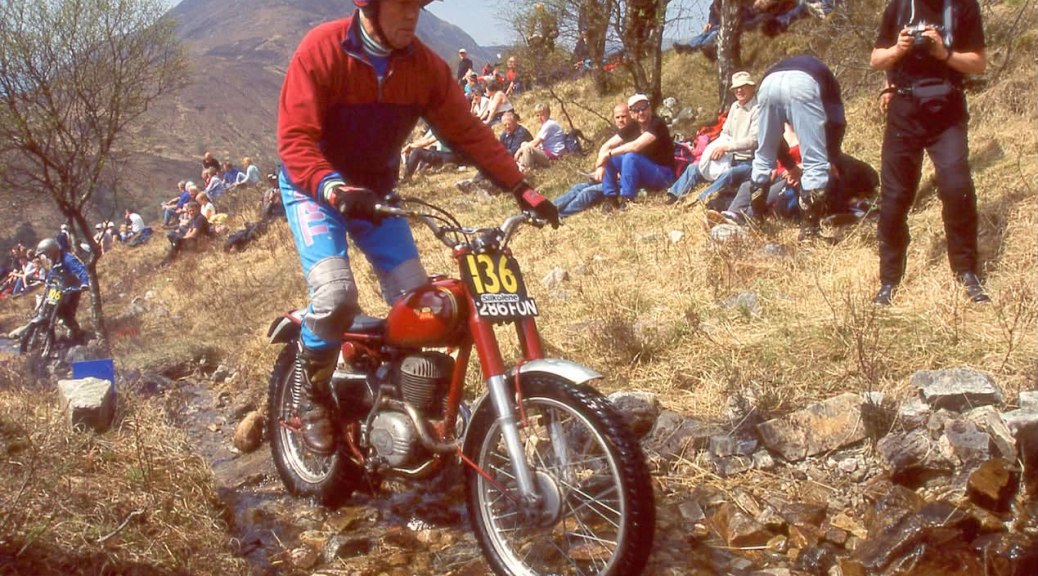
Malcolm also competed in the Pre65 Scottish and Highland Two-Day on a machine he managed to buy with factory history. It was a 250cc James, registered as 286FON and was ridden in the SSDT and many national trials by factory supported rider, the late Mick Dismore from Farnham.
Malcolm kept up his many friendships that he had made in Surrey, one of which was the DOT specialist, Roy Enticknap whom he met annually at the Telford Off-Road show.
Because there was the famous American rider also called Malcolm Smith, Malcolm became known for a while as ‘Malcolm Smith UK’ and his wife Margaret had this painted on the side of his crash helmet!
Trials Guru’s John Moffat paid tribute to Malcolm Smith: “I moved to Inverness in 1993 and joined the local club, having known Brian MacLean from the club through my late father who was Scottish ACU Secretary. My father knew Malcolm Smith, as he had attended AGMs as a delegate of Inverness & District over the years. Having entered a couple of club trials, I attended the club’s Annual General Meeting that year and before I knew where I was, Malcolm had proposed that I joined the committee and things progressed from there! Malcolm Smith was without doubt a major guiding light in the club, people respected him, he had experience and wisdom and he gave things adequate attention and thought, when acting as chairman. Many times members came up with good and not so good ideas. Malcolm would let the member have their say, then he would go quiet and say: “Well, I have listened to your idea, now who is going to do this then?” If the person wasn’t prepared to do something about carrying out the work, then Malcolm would simply say: “Right, no takers, we move on!” That was Malcolm’s style as he was a do-er, he worked hard for the club and the sport. I wish we had more ‘Malcolms’ in the sport today.”
Dode Fraser commented: “A sad loss for us all. Malcolm was a really nice man whom I have known since the Grampian MCC days. He will be missed by everyone that had the good fortune of meeting him.”
Trials Guru send sincere condolences to Malcolm’s daughters and family at this difficult time. Funeral arrangements were not available at the time of writing.
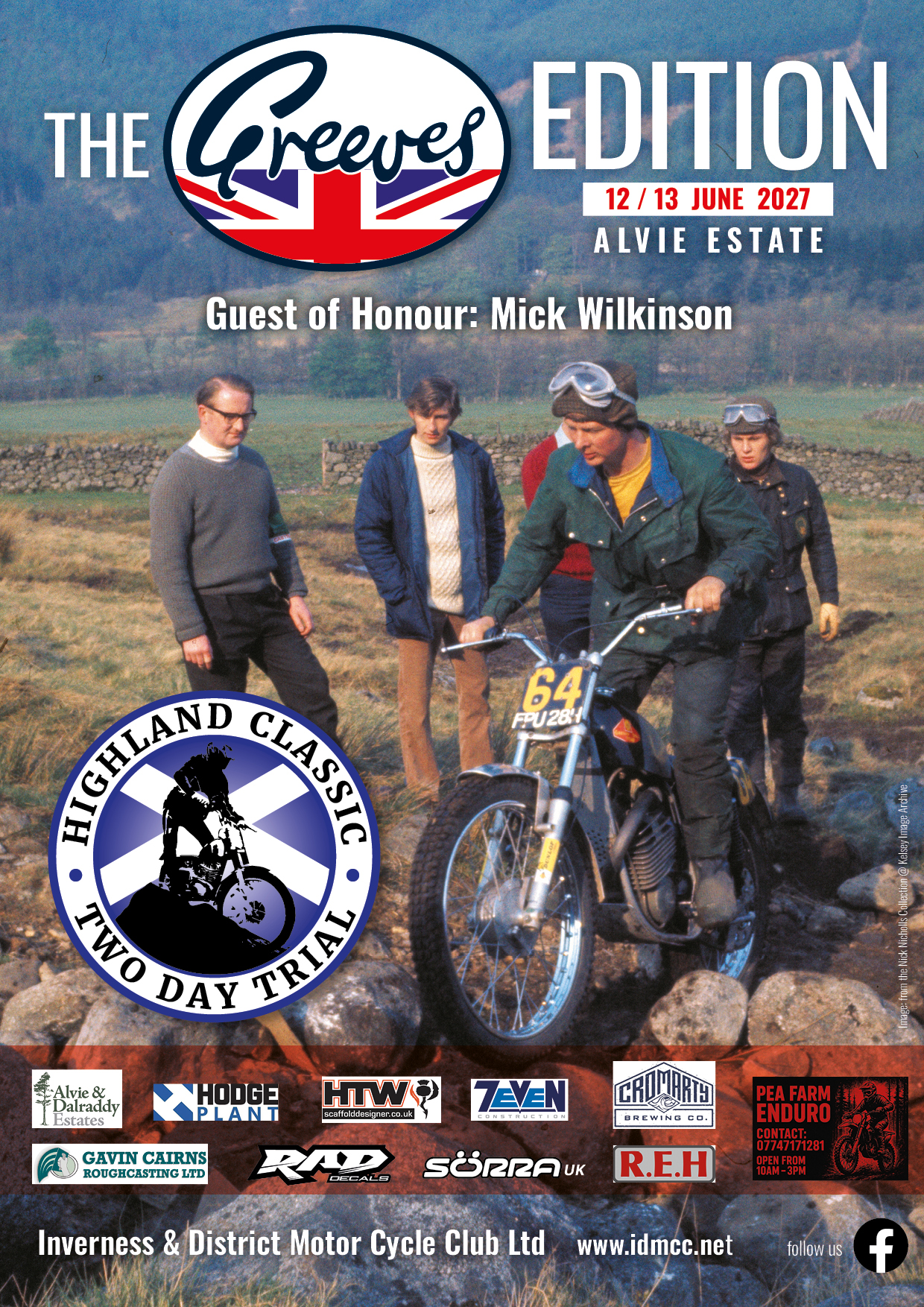
The Inverness & District MCC Ltd have just announced that former James, Dalesman, Ossa and Greeves supported rider, Mick Wilkinson will be their Guest of Honour at the 2027 Highland Classic Two Day Trial (June 12/13) for their Greeves Edition.
Known across Europe as the ‘Friendliest Classic Trial’, the event is limited to 200 riders and takes place on the fabulous Alvie Estate, near Aviemore in the Scottish Highlands.
Mick Wilkinson was not only a solo trials rider, he was British Experts winner driving an Ossa powered sidecar outfit in the 1970s.
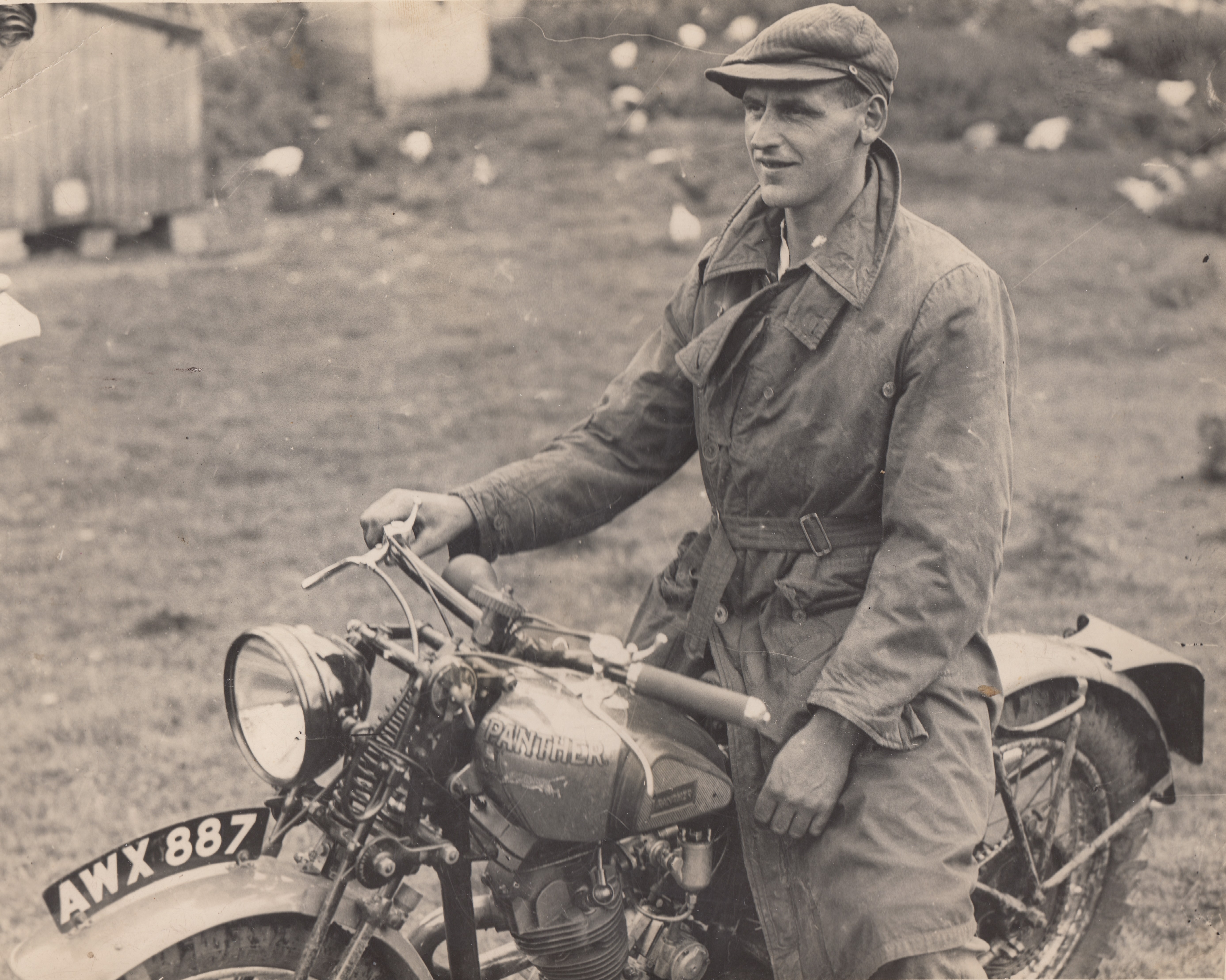
He was also a Trophy team member in the International Six Days Trial as well as being part of the Kettlewell based motorcycling family dynasty which included his older brother, Bill, the last British rider to win the Scottish Six Days Trial on a British machine (1969 on the Greeves) and his father Dick who was a factory rider for Panther. In fact Mick’s full name is Richard Michael Wilkinson.
Richard ‘Dick’ Wilkinson in 1937 astride his 350cc Panther. Photo: Wilkinson Family Collection.
Mick was one of the very few riders who got on with the Austrian Puch powered 169cc Greeves Pathfinder model which was a tubular framed model, a departure from the famous aluminium beam framed previous models manufactured by the Thundersley factory.
The Greeves/Puch Pathfinder introduced in 1969 to replace the Anglian models when supplies of Villiers engines dried up. Photo: Mathewsons Auctioneers, Pickering.
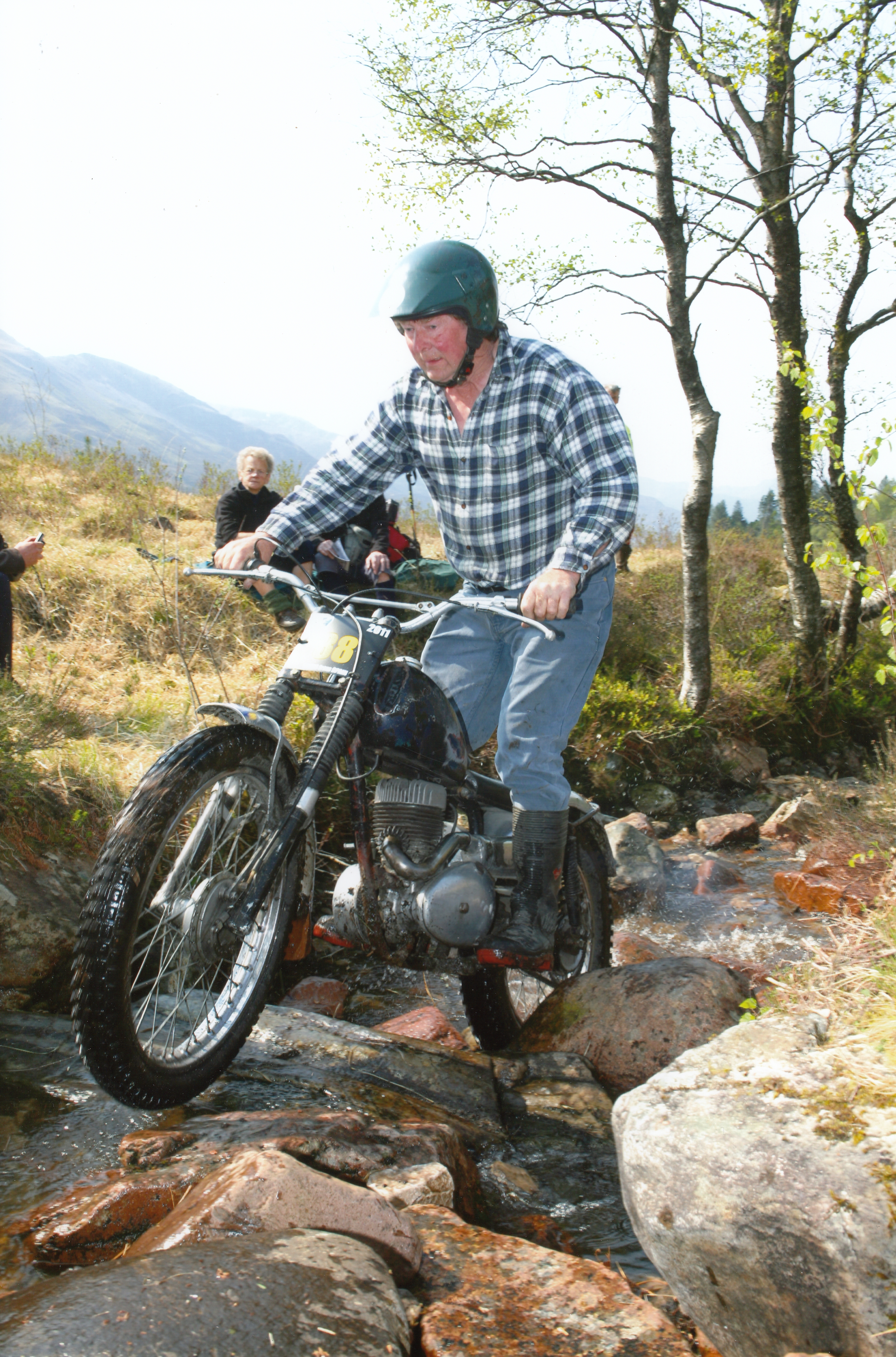
Mick is also the holder of eight Scott Trial spoons. He was a regular top ten finisher in the Scottish Six Days Trial before taking up classic and pre’65 trials riding in his later years on a Francis-Barnett.
Mick Wilkinson in the 2011 Pre65 Scottish Trial on ‘Camas na Mhuic’ – Photo: Colin Bullock.
The event in 2027 will celebrate and pay homage to the Greeves brand and permission to use the official Greeves trade mark logo has been granted to the event organisers by the current owners, Brithubs Limited trading as British Bikes 1970, run by Greeves enthusiast Gary Bamford.
(The publicity image used by Inverness & District Motor Cycle Club Ltd is the property of Kelsey Image Archive from their Nick Nicholls Collection.)
This exclusive Trials Guru – ‘Gloves Off’ interview with Bernie Schreiber follows considerable online and social media discussion surrounding the return of the historic Spanish Bultaco name to the motorcycle market.
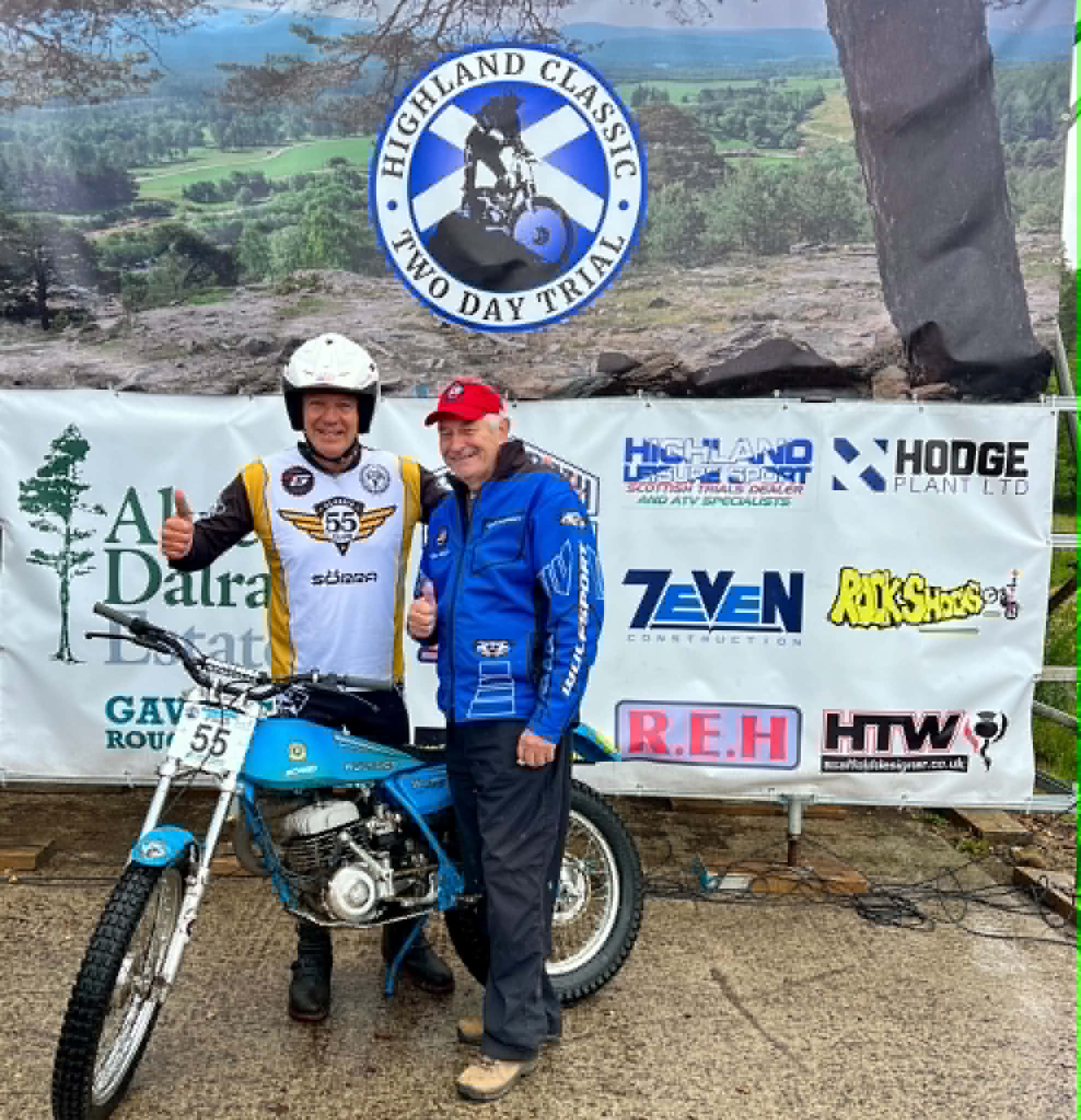
Bernie Schreiber with Trials Guru’s John Moffat at the 2025 Highland Classic in Scotland. Both men are passionate about the brand Bultaco.
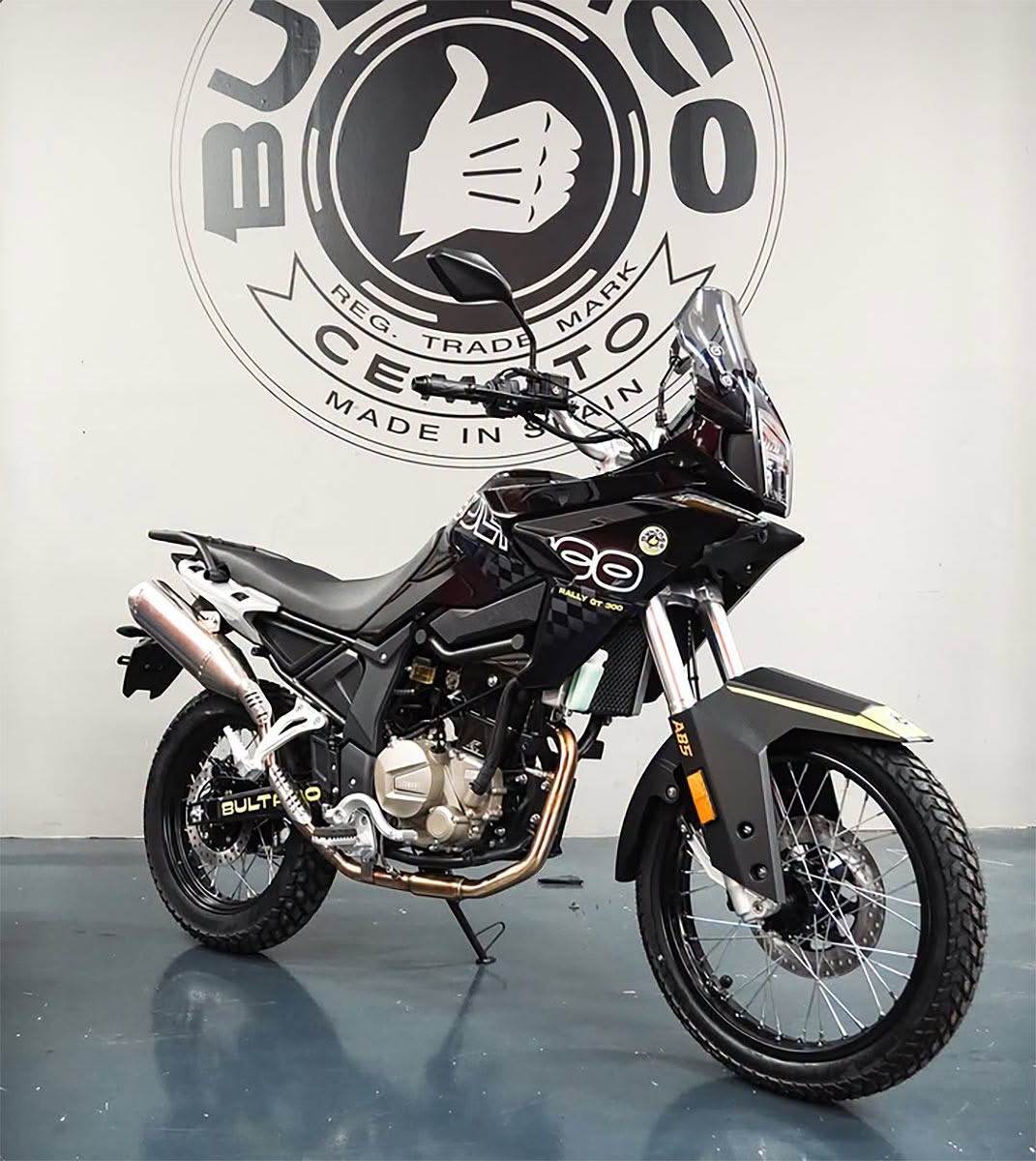
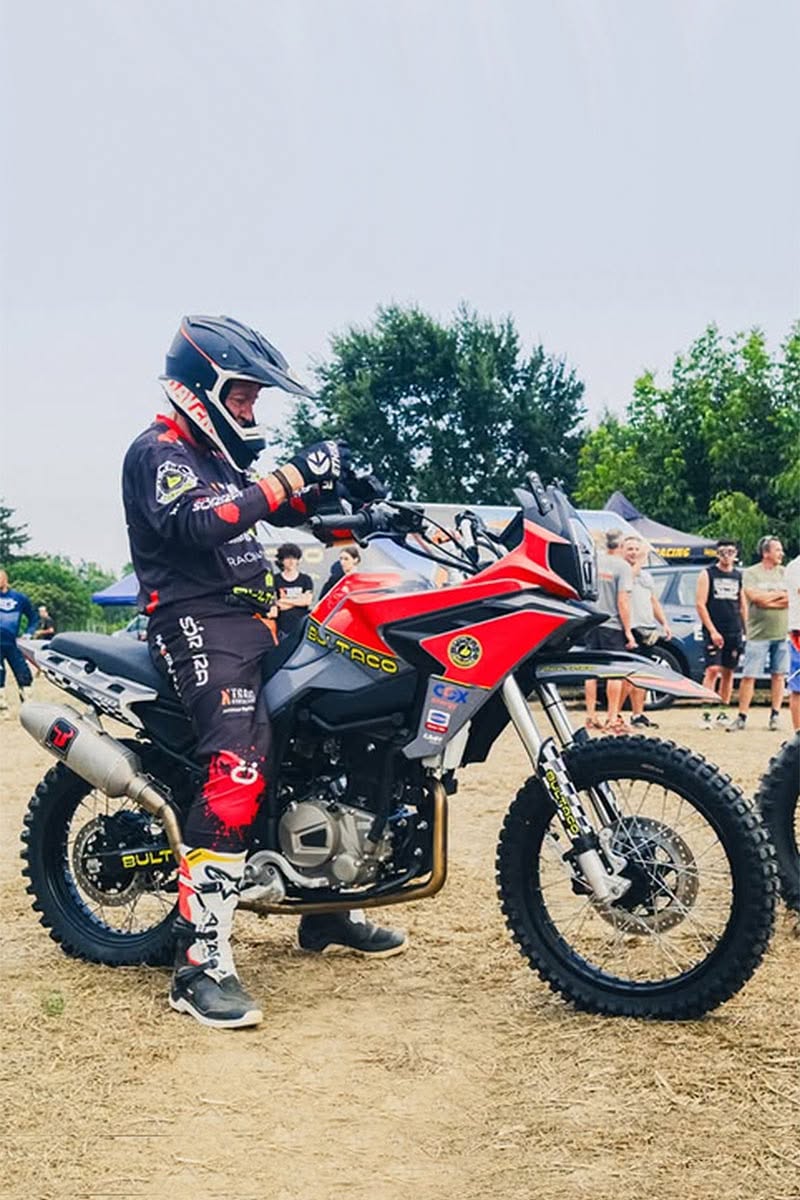
The new Rally GT 300, a 28 hp trail bike developed by Leonart and manufactured in China, is expected to arrive in Spain priced at €3,999, marking another new chapter for the famous marque.
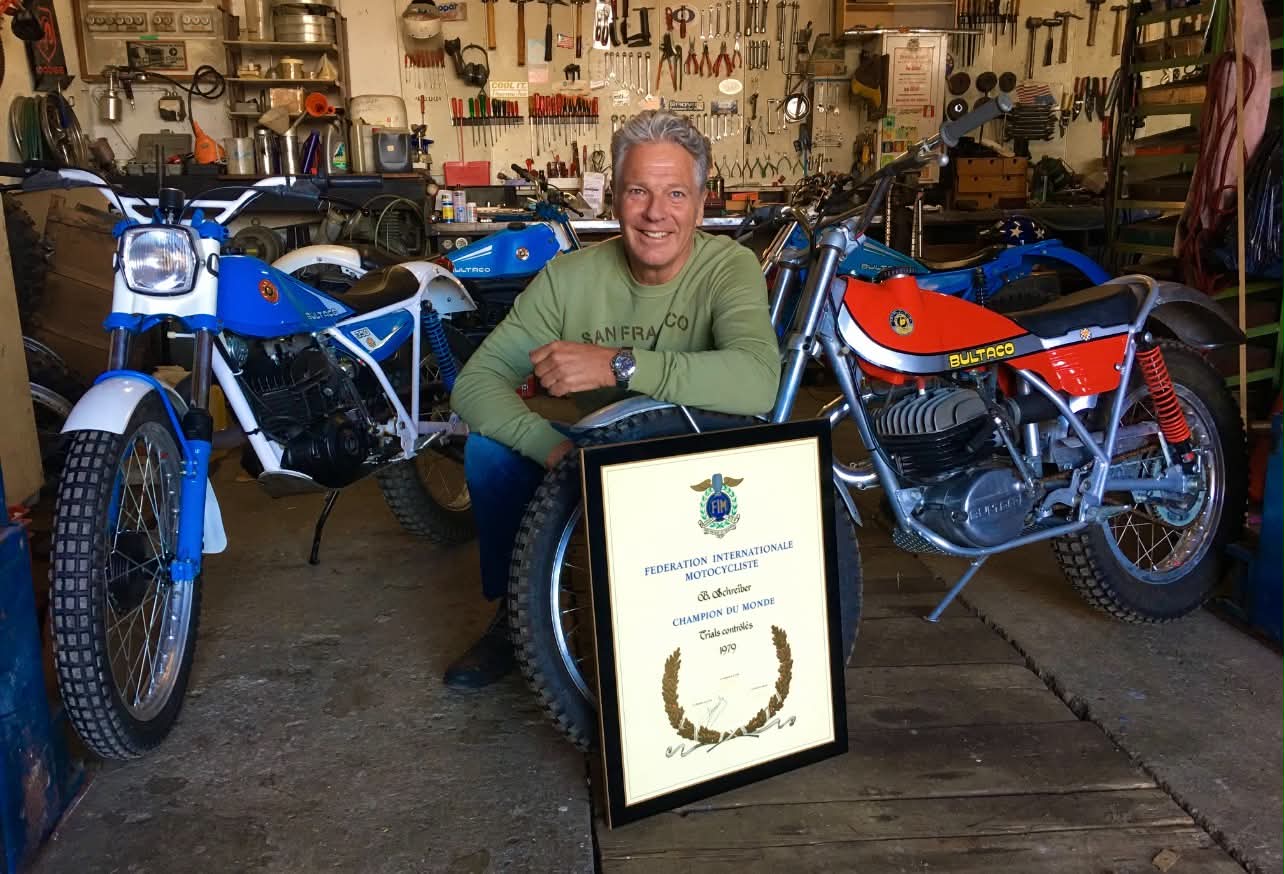
Schreiber has a unique connection to that history. In 1979, he became World Trials Champion riding for the Bultaco factory, making him the last factory rider to win a World Championship for the Spanish manufacturer.
Bernie Schreiber remains the last factory rider to win an FIM World Trials Championship for the Bultaco brand in 1979.
Since the original Bultaco factory disappeared in the early 1980s, there have been several attempts to revive or license the famous name. It has appeared on bicycles, gloves, watches and other products. Some projects came and went.
Bultaco publicity poster from 1980 shows the factory top riders and proclaiming that Bultaco were Champions of the World.
Now, more than four decades later, another chapter is beginning. The question is whether this latest revival will strengthen one of motorcycling’s great names—or simply trade on its past?
History will decide.
The Bultaco Rally GT 300
The Price of Trading on the Past
Trials Guru: You’ve called this Gloves Off feature “The Price of Trading on the Past.” What do you mean by that?
Bernie Schreiber: “The Price of Trading on the Past” is about what happens when a famous name, reputation, or heritage is used to sell something that has little connection with what originally made that name valuable.
In the case of Bultaco, the name carries enormous emotional value. It represents competition, innovation, Spanish manufacturing, riders, victories, world championships, and motorcycles such as the Sherpa T, Pursang and others. People do not remember Bultaco simply because of a logo. They remember what the company did.
That history creates something extremely valuable: trust and authenticity.
Trading on the past means taking that accumulated goodwill and using it to give a new product instant credibility. Instead of spending decades building a reputation, you put an established name on the fuel tank and immediately inherit some of its history.
But there is a price.
If the new product genuinely respects the philosophy of the original company, the heritage can become a foundation for a successful new chapter, but they also have to create modern products capable of standing on their own merits.
The danger comes when the history becomes more valuable than the product.
If consumers begin to believe that an historic name is simply being licensed to unrelated products, the brand gradually loses its meaning. A famous badge can sell a motorcycle today, a bicycle tomorrow, clothing next year and perhaps something completely unrelated after that. Each transaction may generate revenue, but each one can also withdraw a little more from the brand’s emotional bank account.
Bernie Schreiber is a believer in strong branding in sports (Photo: Len Weed)
Eventually people stop asking, “What has Bultaco built?”
They start asking, “Who owns the name, and what have they put the sticker on this time?”
That is the real price of trading on the past.
Heritage is powerful precisely because it cannot easily be manufactured. It was earned by people such as Paco Bultó, the engineers, mechanics, employees, dealers and riders who created the original motorcycles and competed with them around the world. Their achievements gave the name its value.
A trademark can be bought, sold or licensed. A legacy cannot.
And once the public stops believing that the name represents what it once stood for, no marketing campaign can easily put that value back.
Martin Lampkin, Oriol Puig Bultó and Yrjo Vesterinen, men who made Bultaco a worldwide brand. (Photo: Rainer Heise)
⸻
TG: Are you against bringing the Bultaco name back?
BS: Not at all. I would love to see something carrying the Bultaco name that genuinely adds to its history. But there is a big difference between reviving a company and licensing a trademark. Putting the thumbs-up logo on a motorcycle doesn’t automatically make it part of the Bultaco story. The product has to earn that connection.
⸻
TG: Why is the original Bultaco heritage so important to you?
BS: Because Bultaco was a real motorcycle manufacturer with competition at its heart and soul. Trials, motocross, enduro, road racing and short-track were part of its DNA. Don Paco Bultó believed competition improved the product. The factory invested in motorcycle racing, learned from that and developed better motorcycles as a result.
That reputation wasn’t created by a marketing department. It was earned.
F.X. Bultó with Bernie Schreiber. ‘Paco’ Bultó was a passionate motorcyclist first and manufacturer second. (Photo: Juan Luis Gaillard)
⸻
TG: But trademarks have to be maintained and protected. Isn’t licensing simply good business?
BS: Of course, trademarks need protecting. Registrations in different countries and product classes cost money, and they periodically need to be renewed. Licensing can provide income and make commercial sense.
I understand that completely.
My concern is what happens when the need to commercially exploit a trademark begins to conflict with protecting the reputation behind it. Sometimes saying no to a licensing opportunity may ultimately protect more value than saying yes.
Protect the name. Protect the heritage. Protect the value of the real Bultaco’s.
Bernie Schreiber on a factory supplied 325 Bultaco Sherpa in the 1977 Scottish Six Days Trial on ‘Town Hall Brae’
⸻
TG: What specifically concerns you about putting the name on a new rally motorcycle?
BS: I ask a very simple question: what makes it a Bultaco?
If substantially the same motorcycle can be purchased elsewhere without the Bultaco name, potentially for less money, then what exactly has been added?
A sticker cannot provide engineering DNA. It cannot provide factory development or competition history.
And the original Bultaco factory never built a rally motorcycle. That doesn’t mean a new modern product could never be a rally bike, but if you are going in a completely new direction, then the product needs to be strong and distinctive enough to justify carrying such a famous name.
Bultaco earned their reputation from intense competition over many years (Photo: Len Weed)
⸻
TG: Can licensing actually damage a historic brand?
BS: I believe it can if it isn’t carefully controlled.
A prestigious name creates an expectation. Every product carrying that name either adds something to the reputation or takes something away from it.
That’s why successful premium brands are extremely selective about where their names appear. The short-term question might be, “How much can we earn from this licensing agreement?” The longer-term question should be, “What will this do to the value of our name five or ten years from now?”
That second question is far more important.
Famous names from trials and Bultaco – Bernie Schreiber; Manel Soler and Yrjo Vesterinen.
⸻
TG: What about people who own genuine historic Bultacos today?
BS: They are an important part of this discussion.
Thousands of people around the world have spent decades preserving, restoring, collecting and riding genuine Bultacos. They buy parts, attend events and keep the history visible. In many ways, those enthusiasts have kept the brand alive for more than forty years.
I want them to remain proud like myself of owning a Bultaco, and I want those motorcycles to retain their historical and collector value.
Protecting the brand should also mean protecting those people’s investment in its heritage.
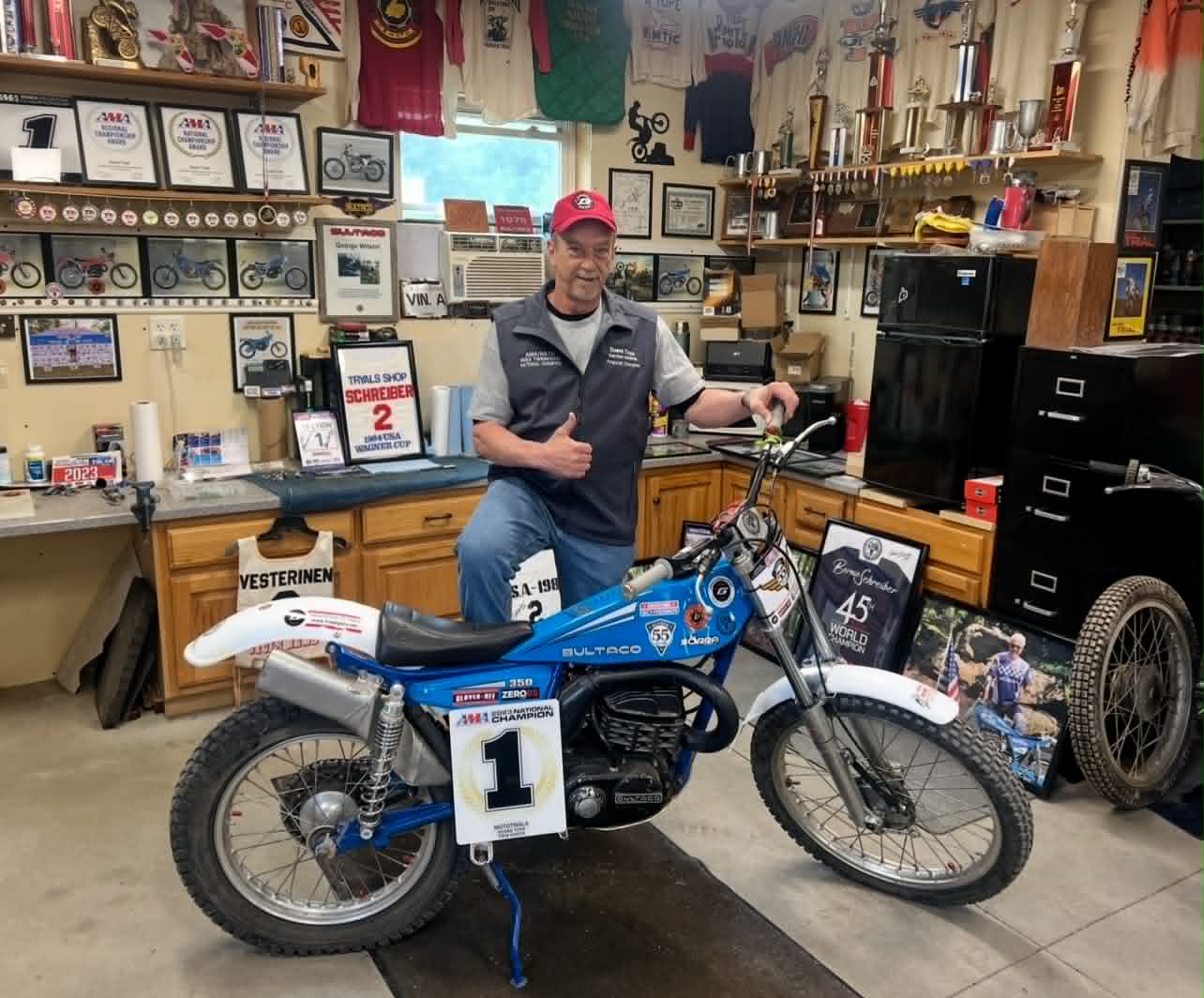
American Duane Tope is a fervent collector and user of Bultaco motorcycles. (Photo: Bernard Schreiber)
⸻
TG: Would you rather see nothing produced than the wrong product carrying the name?
BS: Yes. Sometimes nothing is better than something simply for the sake of having something.
Bultaco isn’t going anywhere. The motorcycles still exist. The victories are in the record books. The history is established and enthusiasts around the world continue to celebrate it.
There is no urgency to put the trademark on another motorcycle just to demonstrate that the trademark is still alive.
Wait until there is something worthy of it.
⸻
TG: What would a modern Bultaco have to represent for you to support it?
BS: It doesn’t need to be another Sherpa T or Pursang. Trying to reproduce 1970s motorcycles forever would miss the point.
Don Paco Bultó was a visionary and innovator, so provide me with innovation.
Give me clever engineering, distinctive design, competition involvement and something that competitors don’t already have. Build a motorcycle that makes people interested before they even notice the name on the fuel tank.
Then the Bultaco name adds heritage to an already interesting motorcycle rather than being the main reason somebody notices it.
1975 – Steve Wilson lets off some steam by riding motocross with a Comerfords provided 250 Bultaco Pursang.
⸻
TG: So, what is your message to the custodians of historic motorcycle brands?
BS: Protect the trademark, but protect what the trademark stands for even more carefully.
You can register a trademark. You can renew it. You can license it, sell it and collect a fee. But you cannot manufacture heritage overnight.
That was created by Don Paco Bultó, the factory workers, engineers, importers, dealers, competition teams, riders, Champions and customers who built the reputation in the first place.
A famous name is something you inherit. What you do with it determines what the next generation inherits from you.
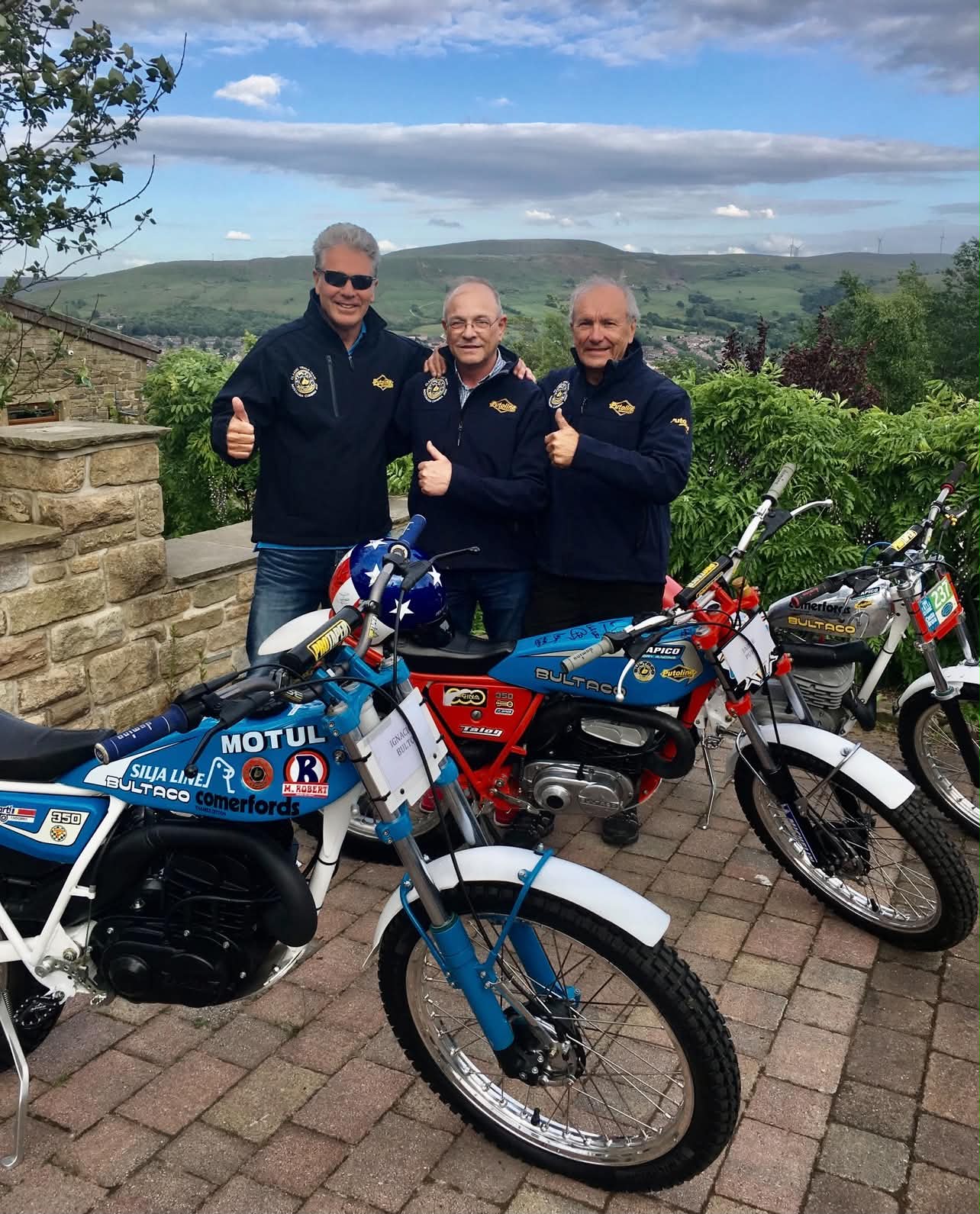
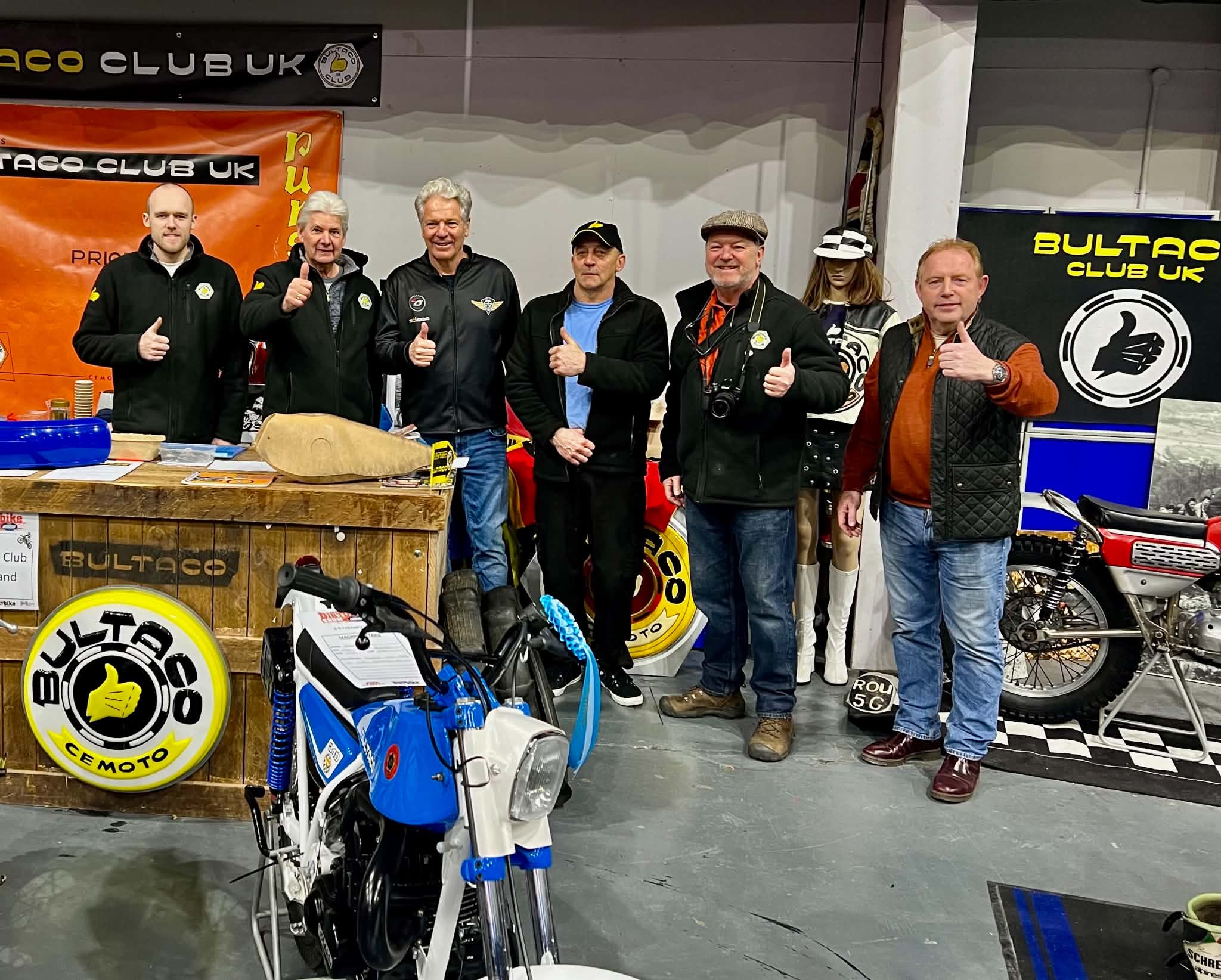
The Bultaco Club UK specialises in keeping the brand and marque alive. Bernie is seen here with like minded enthusiasts at the Telford Off-Road Show (Photo: Trials Guru)
Sometimes protecting that legacy means having the courage to say no.
Because once a famous name becomes just another sticker, the price of rebuilding its credibility may be considerably greater than anything earned from licensing it.
TG: As we stated, history will decide.
‘Gloves Off – The Price of Trading on the Past’ is the copyright of Bernard Schreiber and Trials Guru.
Apart from ‘Fair Dealing’ for the purpose of private study, research, criticism or review as permitted under the Copyright, Design and Patents Act, 1988, no part of this article may be copied, reproduced, stored in any form of retrieval system, electronic or otherwise or transmitted in any form or by any means, electronic, electrical, mechanical, optical, chemical, photocopying, recording or otherwise without the prior written permission of the author as stated above. This article is not being published for any monetary reward or monetisation, be that online or in print.
Following on from an article partly written by Steffen Ottinger and additional information by Rainer Heise about Gustav Franke, it occurred to us that very little had been written and published on the internet about the founding father of what we now know as the World Trials Championships!
That man was Henri Groutars and you would be excused if you have never heard of him – or heard very little about him.
We are about to change all that!
From the Sheffield Trial to the European Trial Championship
Words: Rainer Heise
Photos: Rory MacGregor, Rainer Heise; Jan Müller; Louis Nassogne, now part of the ‘OB Collection’.
These days, when we read about an European or World Trial Championship round, we don’t give a second thought to how or when the sport actually originated. To find that out, you have to delve into the history of motorcycling in our neighboring country. Liège, Belgium, was the birthplace of continental trials. From there, it spread further.
The seed of Belgian trials was sown in 1926. English riders invited eight riders from the U.M.L. (Union Motocycliste Liègois / Liège Motorcycle Club) to a performance test called the ‘Trial of Sheffield’. Meetings were held once a year until 1929, after which this city rivalry came to an end. Later, there were additional off-road races, which were called ‘trial’ to distinguish them from motocross. They took place in Tilff, Fayembois, and Noblehaie near Liège.
Every advancement is tied to a specific individual, and trial is no exception. And now, for the first time, we encounter the name Henry Groutars. In 1912, at the age of 17½ years old, he volunteered for military service in the Belgian army. Deployed on the front lines near Antwerp and along the Yser River against the German occupation during World War I, he contracted an illness that he overcame only thanks to long and attentive care.
After earning his degree in industrial engineering from the U.L.B. (Université Libre de Bruxelles / Free University of Brussels), this passionate motorcyclist took the helm of the Elan Motor Club in Etterbeek, Brussels, in 1928. He joined the F.M.B. – B.M.B. (Fédération Motocycliste de Belgique – Belgische Motorrijdersbond / Belgian Motorcycle Federation) that same year.
Just one year later, he was appointed to the board of directors. As a dedicated Indian motorcycle rider — he always rode with a sidecar, which suited his height and build — he participated in countless rallies in Belgium and abroad. In the 1930s, he won long-distance endurance races such as Antwerp-Paris-Antwerp (approx. 700 km / 440 miles). Henri Groutars placed third in Liège-Dijon-Liège (approx. 1,000 km / 625 miles), and third in Liège-Lyon-Liège (approx. 1,500 km / 950 miles). He also eagerly participated in sporting events; as a dedicated board member, he was seen competing in events in Herentals, Aywaille, Cahottes near Liège, and Genk, among other places.
Jacques Ickx (Jacky Ickx’s father), a member of the U.M.L., managed to convince the F.M.B. to organize an off-road race. In March 1933, the first Brabant Motocross took place at the “Eaux-douces” racetrack in the Heverlee Forest near Leuven (Louvain). A crowd eager for something new turned out for the event. For the first time, they saw men on machines racing across the terrain over all kinds of obstacles. The crowd was thrilled as the riders sped over bumps and through dips. The spectacle captivated them so much that loud cheers soon erupted whenever their favorites passed by. Until then, such cheering had only been heard at Francorchamps during the Grand Prix de Vitesse (Speed Grand Prix). At this motocross event, Groutars finished second in the junior class. With his characteristic foresight, he immediately recognized that off-road competitions were the future.
In 1936, another trial competition was held — the de Bruyne Trial — though this time under motocross rules. In 1937, the first trial under English rules took place east of Leuven under the auspices of the U.M.L. with about 15 participants. In 1938, another event was held, 35 competitors took part, including four Dutch riders. The competition, initially called the Hageland Trial, was renamed in honor of Lieutenant Pierre van Maldeghem, who fell in battle at Eben-Emael (South of Maastricht, NL) in 1940.
In 1939, all motorsports activities came to a halt, and in May 1940, the German Wehrmacht (Armed Forces) invaded Belgium. Nevertheless, that was not the end of trials in Belgium. On a single motorcycle, several riders secretly competed in the Van Maldeghem Trial on private property near Herentals and judged each other. By 1941 and 1943, there was already one motorcycle for every two riders, and by 1944, one motorcycle for each rider. After all, 24 competitors had gathered. After the five-year occupation, virtually the entire F.M.B. infrastructure had been destroyed; the club organizations were, at best, only partially intact, and club officials had no contact with one another.
In 1945, a trial was held in Tourneppe (south of Brussels) anyway, and two riders shared a motorcycle. Unfortunately, Dr. Eudore Lamborelle, the long-time president of the U.M.B., (Union Motocycliste de Bruxelles / Brussels Motorcyclists’ Union) passed away. The trial, which had initially been dedicated to Pierre van Maldeghem, was renamed the ‘Lamborelle Trial’ in his memory.
The dangerous situation that arose for motorsports following the occupation called for a man of stature to regain lost ground. That’s when Henry Groutars stepped onto the scene. Thanks to his many years with the F.M.B., Groutars had gained sufficient insight into internal processes and experience, and in 1945, at the age of 50, he assumed the presidency of the F.M.B. at the urging of the Belgian club executives.
In doing so, he handled an enormous workload, leading the Federation with diplomatic skills, entrepreneurial spirit, foresight, and a keen sense of psychology, and turned it into a thriving organization. The F.M.B. thus attained remarkable significance within the F.I.M. The position it held on international committees spoke volumes about the standing of the F.M.B. in general and Henry Groutars in particular. It was during this period that the significance of Henry Groutars’ work became most apparent, for in 1947—two years after the end of the war—he became vice president of the F.I.M.
To avoid damaging the motor cycles—which were quite valuable at the time—only one type of motorsport made sense: trials. After the liberation, the Leuven club members lost interest in trials and handed the task over to the U.M.B., which included leading trial enthusiasts. As a result, Belgian trials began anew under new leadership and a new name from 1946 to 1952, initially as a national competition. As early as 1947, 227 participants made their way to Ohain.
Alois Sterkendries on a Belgian made FN 175 – Photo: Louis Nassogne, now part of the ‘OB Collection’.
Starting in 1953, the Lamborelle Trial became an international event. To “promote a country’s motorsports profile,” foreign riders were admitted to the competition, and to keep travel costs low, the F.I.M. insisted on a team classification consisting of three riders. Manufacturers were allowed to enter a team of three identical motorcycles. In this team classification, both the number of sections completed with zero points lost and the total points were taken into account. The prize for the overall winner across all classes was the Lamborelle Challenge Cup, which the recipient was allowed to keep for one year. If a rider won twice in a row or three times with intervals in between, the cup became the winner’s permanent possession. For four years, Lamborelle was THE premier international competition on the continent.
In 1954, Henry Groutars was no longer able to meet the standards he had set for himself with regard to his professional activities and the duties required by the F.M.B. to a satisfactory degree, and therefore resigned as chairman of the F.M.B.– B.M.B. due to work overload.
In 1955, the F.M.B.– B.M.B. Board of Directors unanimously elected Groutars as honorary chairman, and Gordon Jackson, riding his factory AJS 350, won the Lamborelle Trial for the first time.
Friends and rivals, Sammy Miller MBE (Ariel) and Gordon L. Jackson (AJS) were regular competitors at the Lamborelle Trial in the later 1950s – Photo: Rory MacGregor.
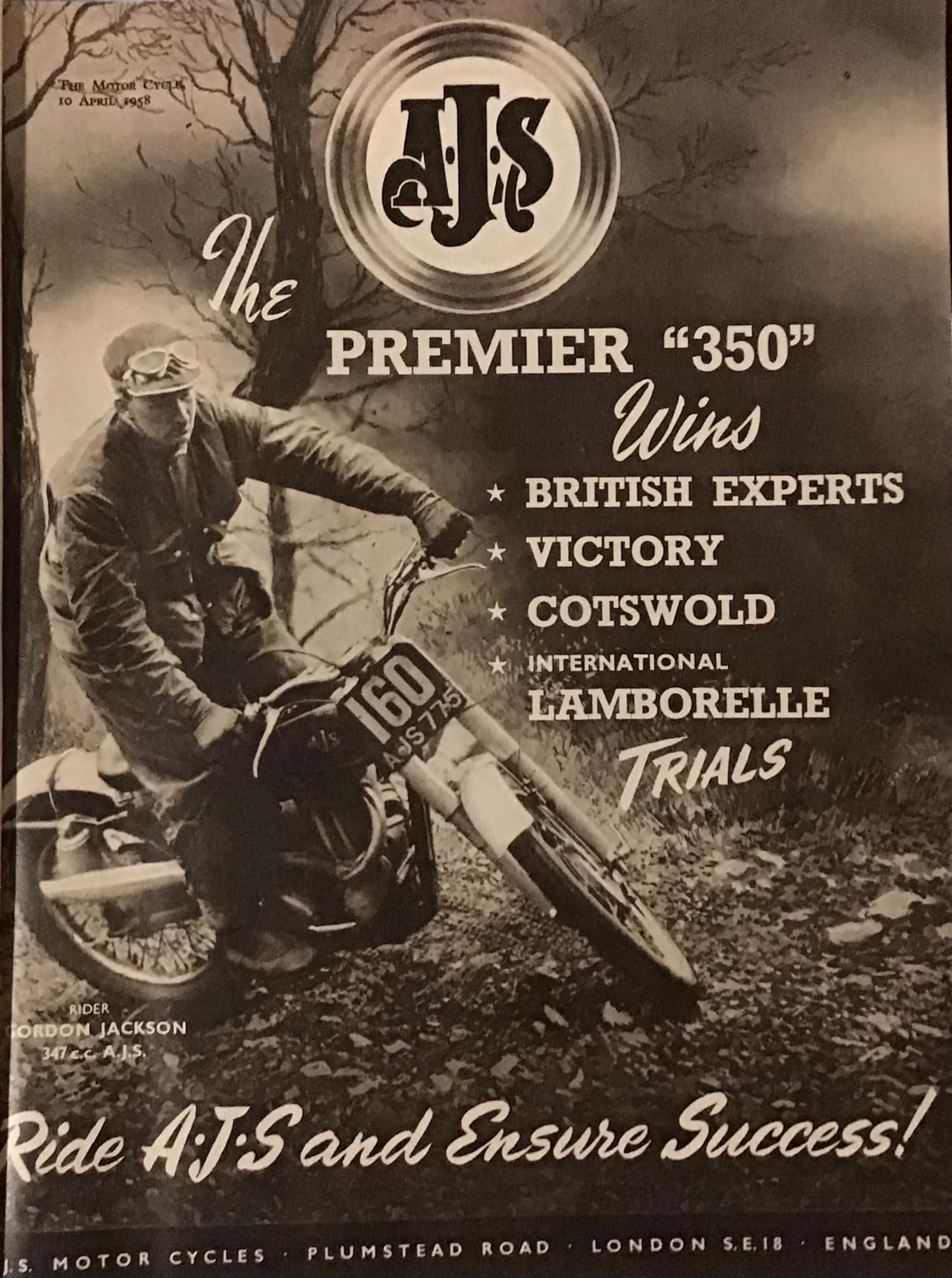
In 1957, on the tenth anniversary of the Lamborelle Trial, German riders participated for the first time; the Belgian importer had invited the Zündapp factory team to the event. Unaware of the circumstances, the German bikes were set up for the ISDT rather than for trials riding, and the result was, as expected, a high-scoring performance. With riders from Belgium, Germany, France, Great Britain, and the Netherlands, this event effectively attained the status of an European Grand Prix. Incidentally, the winner was Gordon Jackson on an AJS 16MC with 30 points. He was also successful in 1955, 1957, and 1958; Sammy Miller began competing in 1958.
In the meantime, additional organizers of international trials had established themselves in Germany, England, France, and the Netherlands.
In 1958, 73 Experts (licensed riders), 35 Belgians, 22 Britons, 9 Frenchmen, 7 Dutchmen, and 54 Juniors (riders with a license) lined up at the start in Ohain. No German riders showed up. The result was as expected: The top six places went to British riders, while the best Belgian, André Piron on Socovel, finished in eighth place. Gordon Jackson had scored 14 points over two 50-km laps and 40 sections, becoming the overall winner and thus the permanent winner of the Lamborelle Challenge Cup.
Associated Motorcycles were quick to capitalise on Gordon Jackson’s success at the 1958 Lamborelle Trial in Belgium – Advert: AJS Motorcycles, Plumstead.
In 1959, there were about 160 international participants at the starting line, including nearly a dozen Germans, but they didn’t stand a chance! For Henry Groutars, who had served as vice president of the F.I.M. for 12 years, everything pointed to his candidacy for the presidency being the crowning achievement of his career. He had devoted this entirely to the cause of motorsports, which he loved above all else. Fate, however, had other plans. On March 11, 1959, two days after the 12th Trial Lamborelle, Groutars— whose health had been severely compromised by the aftereffects of World War I and the Yser Retreat, which he had experienced firsthand — passed away.
In France, the trials in Clamart, St. Cucufa (both near Paris), and Sancerre became much like what the Lamborelle Trial had already been. Fortunately, the number of participating nations increased; riders from England, Sweden, and Switzerland did not shy away from the long journey.
The 1962 F.I.M. Fall Congress in London commissioned Alfred Lenfranc (F.M.B.) to draft an international set of trials rules and to bring together riders from five nations. This led to the creation of the Henry Groutars Challenge Cup, which, at the instigation of the British delegates, was changed from a team competition to an individual competition starting in 1963. It was the precursor to the European and World Championships.
In 1963, riders from Germany, France, Great Britain, and the Netherlands were eligible to compete in the “Int. Trial Trophy Henry Groutars”. Four events were scheduled in France (Clamart), Belgium (Ohain), Great Britain (Wales), and Germany (Aachen). Scoring system: The winner was determined by the number of sections completed with zero points. In the event of a tie, the number of sections with one point was considered next, followed by those with three points, and so on down to sections with five points. The zero-point sections of the top three riders from each country were added together for each competition; for the overall standings, the results from the individual trials were totalled. The overall winner was the country with the most zero-point sections.
Don Smith was a regular competitor in European trials and was three times European Trials Champion – Photo: Jan Müller.
In 1964, events unfolded rapidly. Just a few days before the European Championship round scheduled to take place in Ohain, a decision was made among the competing Belgian organizers (Aywaille, Braine-le-Château, Ohain, and Namur) in favor of the latter. As a result, “Lamborelle” in Ohain was no longer considered a top-tier event and was replaced by the event organized by AMC Namur in Marche-les-Dames. For the first time, individual scoring with 1–3–5 points was used.
From 1964 until 1967, the best European trial riders competed for the Henry Groutars Challenge Cup, until the F.I.M. finally elevated it to the European Trial Championship in 1968. With the renaming of the Henry Groutars Trophy to European Trials Championship, its founder, Henri Groutars, finally received the recognition he deserved. Trial had come of age, and the European Trial Championship has now been in existence for almost 60 years.
In less than 20 years, the sport of trials had earned a unique reputation through events such as Clamart, St. Cucufa, and, above all, Lamborelle — with massive crowds, flawless organization, and excellent public relations. “Lamborelle” had simply become THE international trials event and a model not only for German organizers. None of this would have been possible without the foresight of Henry Groutars, and that is why the Lamborelle Trials and its name remain unforgettable among trials riders. It was therefore only logical that the European Trials Championship laid the foundation for the creation of the World Trials Championship in 1974.
Acknowledgments:
I would like to thank Charly Demathieu, Marnix Vanslembrouck, Stijn Rentmeesters, and Felix Krahnstöver for their assistance with the research. – RAINER HEISE
‘Who was Henri Groutars? – From the Sheffield Trial to the European Trial Championship’ is the copyright of Rainer Heise.
Apart from ‘Fair Dealing’ for the purpose of private study, research, criticism or review as permitted under the Copyright, Design and Patents Act, 1988, no part of this article may be copied, reproduced, stored in any form of retrieval system, electronic or otherwise or transmitted in any form or by any means, electronic, electrical, mechanical, optical, chemical, photocopying, recording or otherwise without the prior written permission of the author as stated above. This article is not being published for any monetary reward or monetisation, be that online or in print.
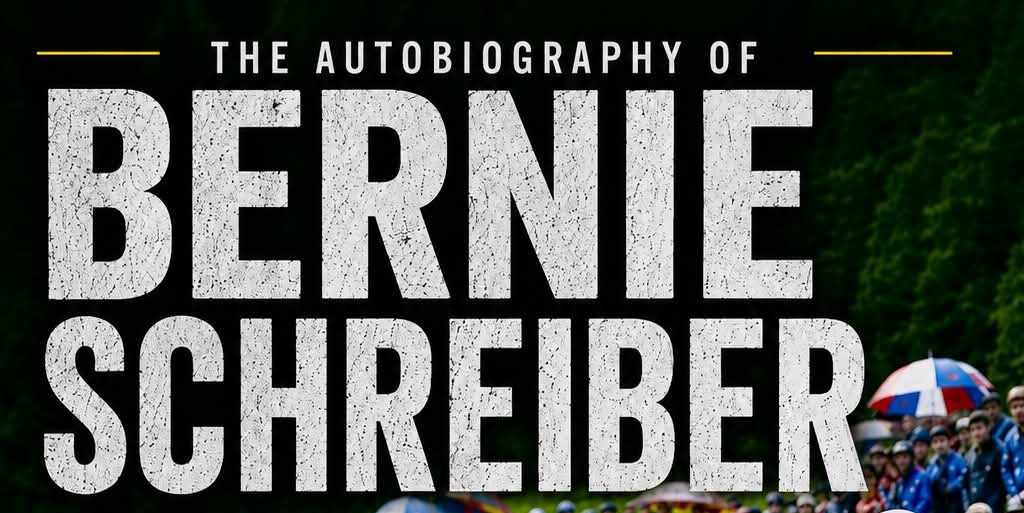
Excerpt from Bernie Schreiber’s forthcoming Autobiography exclusively on Trials Guru in 2027. (Photo: Len Weed)
Chasing the Impossible:
“American Trials in the 1970s, National Success, and the Dream of Competing in Europe.
When I look back at American trials in the early 1970s, it is difficult to explain to someone today just how different the sport was. There was no internet, no YouTube, no instant access to European results or videos showing how the best riders in the world trained and rode.
If you wanted to learn, you watched other riders, studied photographs in magazines, experimented on your motorcycle and figured things out for yourself.
For a young rider growing up in Southern California, Europe seemed like another world. That was where trials really lived. Spain were producing the motorcycles. The great factory teams were there. The World Championship was there.
Names like Sammy Miller, Malcolm Rathmell, Mick Andrews, Martin Lampkin and Yrjö Vesterinen weren’t simply successful riders to us – they represented the standard we were trying to understand.
I wasn’t thinking about becoming World Champion at the beginning. I was thinking about becoming better.”
The Autography of Bernie Schreiber is the copyright of Bernard Schreiber, Zurich, Switzerland.
Apart from ‘Fair Dealing’ for the purpose of private study, research, criticism or review as permitted under the Copyright, Design and Patents Act, 1988, no part of this article may be copied, reproduced, stored in any form of retrieval system, electronic or otherwise or transmitted in any form or by any means, electronic, electrical, mechanical, optical, chemical, photocopying, recording or otherwise without the prior written permission of the author as stated above. This article is not being published for any monetary reward or monetisation, be that online or in print.
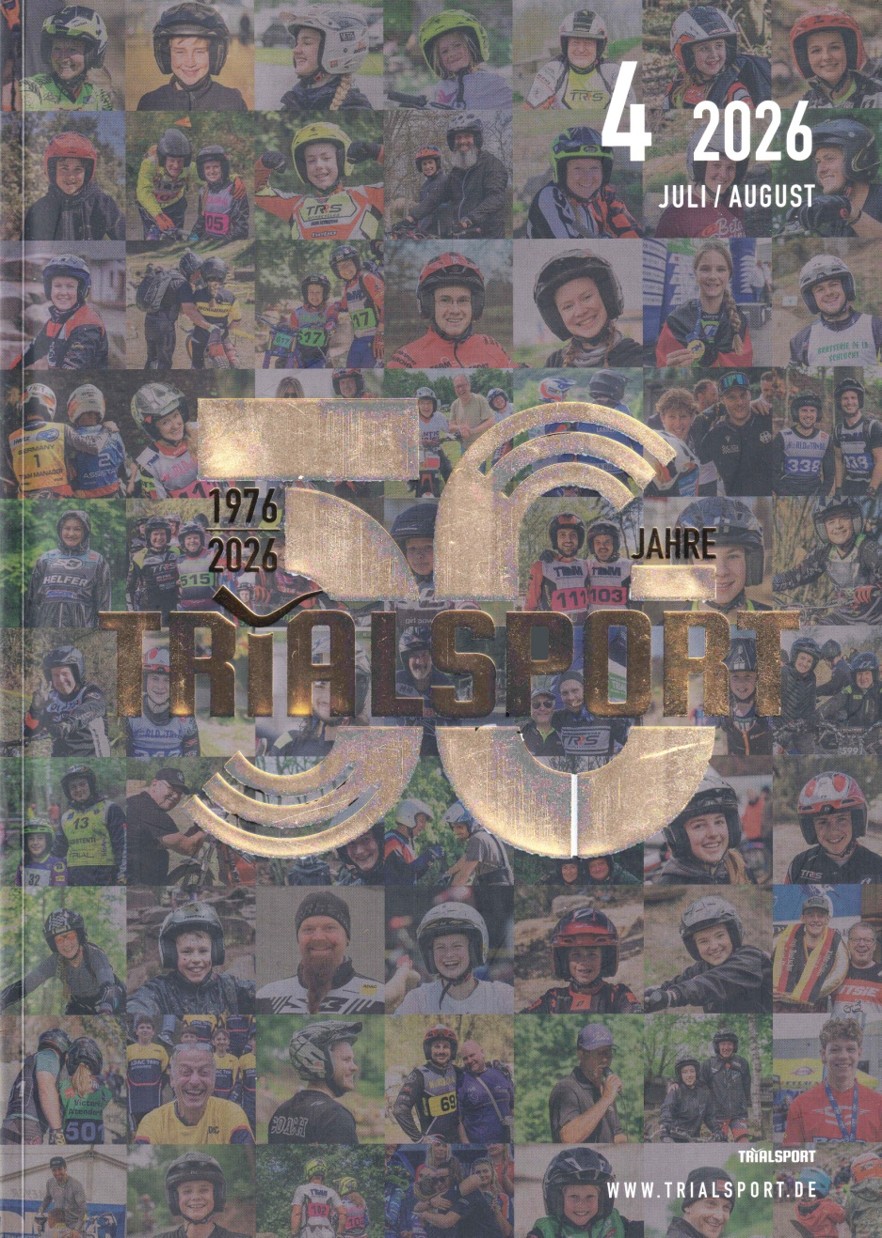
With the co-operation of our international friends of trial, we bring you the story of the acclaimed German magazine which celebrated it’s Golden Anniversary on 5th of March this year – ‘50 Years of TRIALSPORT‘
Words: Hans Greiner, Rainer Heise and Mona Pekarek
A look back at the history of TRIALSPORT since 1976 would be inconceivable without a brief review of the few sources of information available to readers interested in trials riding.
In the early 1950s, it was exclusively the German magazine ‘Das MOTORRAD,’ wherein ‘Klacks’ alias Ernst Leverkus, tirelessly reported on trials and ‘Crius’ alias Christian Christophe, published his legendary trials reports.
Once the first regular trials were established in the 1950s and the number of trials riders began to grow, there was an urgent need for a means of communication. After the Trial-sportgemeinschaft Nord (TSG-Nord) (Trials sports community North) was founded in Uelzen in Lower Saxony in 1959, the ‘Fahrerlager’ (Paddock) took on this role as the TSG-Nord’s newsletter from 1960.
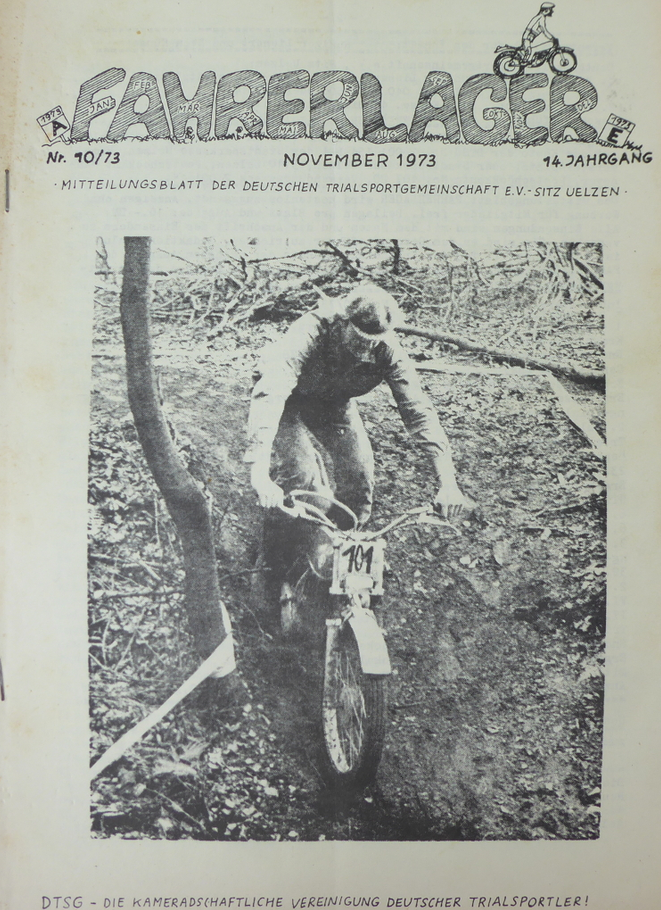
Fahrerlager (Paddock) magazine in 1973
At the time, Erland Asmus and Ernst-August Heicke were responsible for the content. The monthly magazine ‘Fahrerlager‘ wasn’t yet a magazine as we know it today. At first, it consisted of just a few hectographed DIN A4 pages; due to the inexpensive printing process, it didn’t include any photos, but it already offered enough reading material that readers were always eagerly awaiting the next issue. In addition to reports, the paper featured sales advertisements, events announcements, and letters to the editor. Occasionally, the page count was higher than five pages.
At the end of 1961, TSG-Nord dissolved and became the DTSG (Deutsche Trialsportgemein-schaft), (German Trialsport Association); Paddock expanded to sixteen pages. For work-related reasons, Erland Asmus left the editorial staff in 1962. In 1965, Rudolf Munstermann took his place. Rudi served as editor until 1973, supported from around 1968 by the late Sven Kuuse, who later took over magazine production on his own. During this period, Fahrerlager ran up to thirty pages or more each month.
TRIALSPORT – Das Mitteilungsblatt für Trialfreunde (The newsletter for trials enthusiasts):
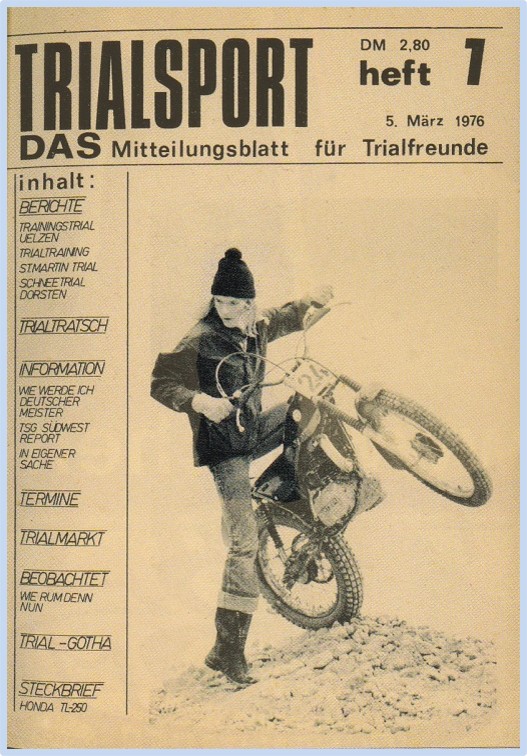
After Sven Kuuse moved to the motorcycle magazine ‘PS’ in Stuttgart, Fahrerlager ceased to be published regularly. As a result, it could no longer fulfill its important role as a source of information for a growing number of trials riders. That is why Felix Krahnstöver from Celle who was the fourfold German Trials Champion at the time, decided to provide trials fans with a new guide published monthly. Together with Helmut Stanik from Bramische and Sven Kuuse from Stuttgart, who had since left ‘PS’ and Rainer Heise as a photographer — the first issue of TRIALSPORT was launched on March 5, 1976.
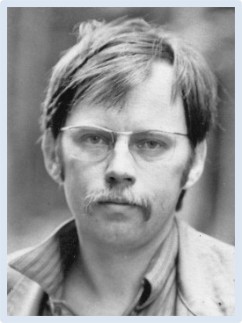
Original Trialsport editor, Felix Krahnstöver (Photo: Rainer Heise)
In the 1980s, Sven Kuuse had to stop working at TRIALSPORT for health reasons. After twenty-eight years of publication, Felix Krahnstöver handed TRIALSPORT over to Hans Greiner in 2004, who later published it together with Josefine Cardenoso for a further twenty years.
THE BEGINNING:
The very first edition of the magazine, Trialsport in 1976.
Felix Krahnstöver, the late Sven Kuuse, Helmut Stanik and Rainer Heise, it was THE newsletter for trials friends, edition number 1 (Heft 1) – the price was 2,80 Deutschmarks, subscription for 12 monthly issues was 29 Deutschmarks, it had twenty pages in DIN A5 format.
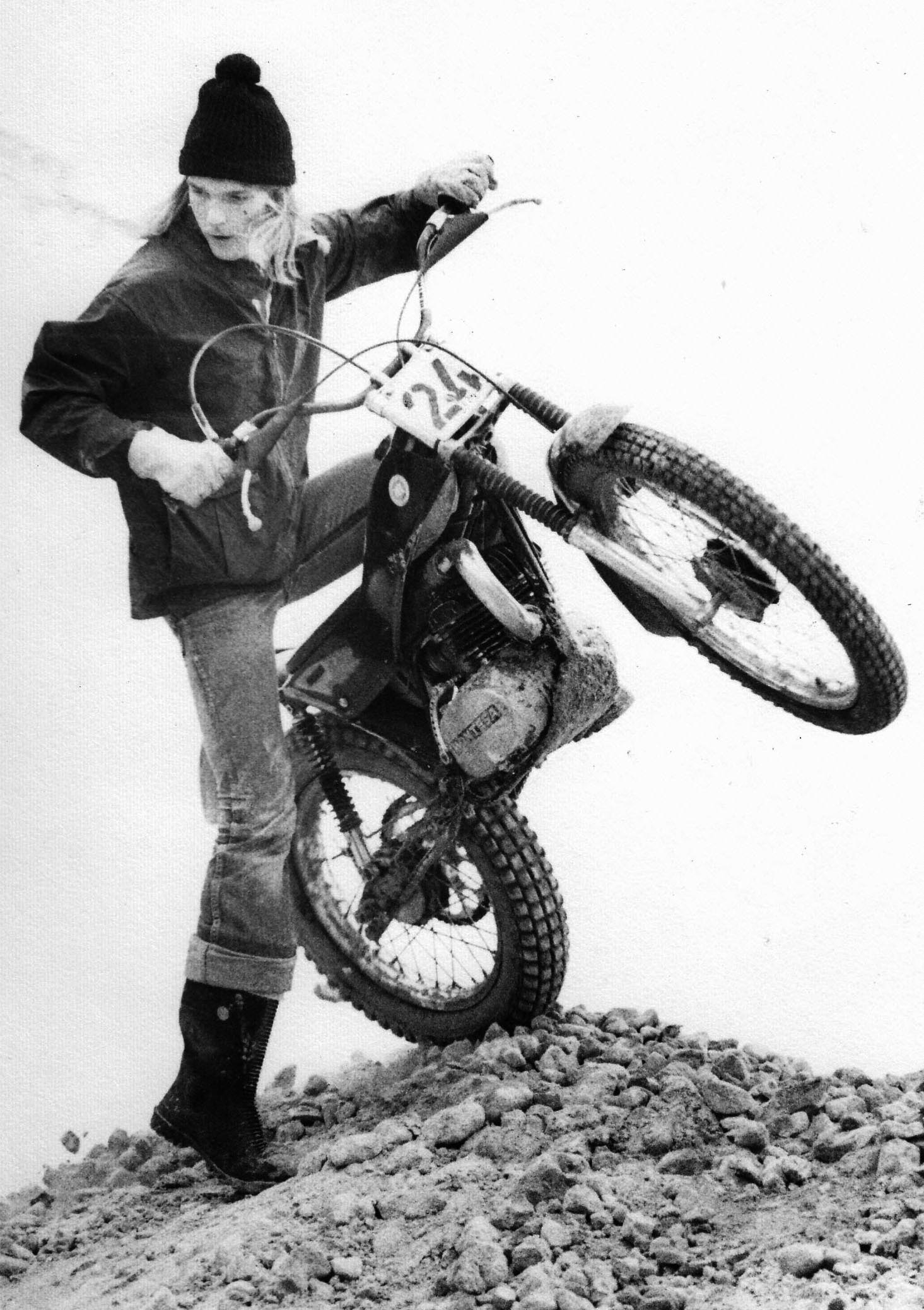
Martin Niebuhr (Montesa 123) this was used as the cover photo for Trialsport issue number 1 (“Always on Top”!) – Photo: Rainer Heise
The editorial read:
Always at the forefront, keeping one’s feet firmly on the ground whilst looking ahead, and keeping everything under control and that should be reflected in Rainer Heise’s original cover illustration.
Helmut Stank was involved early in the Trialsport magazine – Photo: Rainer Heise)
There were reports from events and gossip from trials, and a series such as: ‘How to Become German Trials Champion’. It included club addresses, market and Trial-Gotha. These featured people from the trials scene, and a motorbike review rounded off the first issue. TRIALSPORT magazine – A Brief Overview with Felix Krahnstöver on the cover for the first time (photo by Rainer Heise).
The edition which featured Felix Krahnstover on the cover.
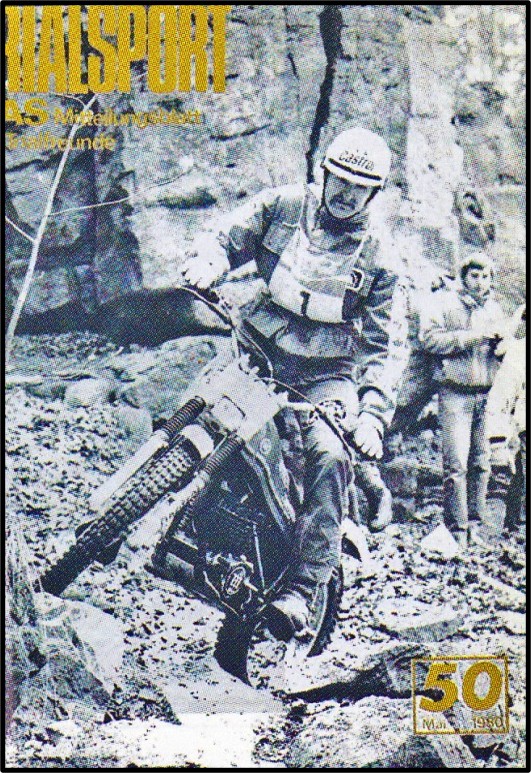
TRIALSPORT celebrated its 50th edition in the May of 1980.
In February, 1989, the first Personal Computer was introduced to the editorial staff for TRIALSPORT the issue 155. In March, 1985, the 10th anniversary issue, issue 178, had forty-eight pages and annually subscription cost you 48 Deutschmarks. In January 1991, issue 178, the magazine received a new layout, which remained in place until issue 333. Starting in March each edition had sixty pages.
In March 1996, TRIALSPORT was twenty years old, each issue had still sixty pages and subscription was now 70 Deutschmarks a year. From January 2002, issue 310, TRIALSPORT had a coloured magazine cover. Issue 200 from November 1992 had 104 pages. What an achievement—and Felix did it all by himself! Issue 300 from March 2001 – and 25 years of TRIALSPORT – something to remember!
Issue 333, published in December 2003, was the last issue written by Felix Krahnstöver after twenty-eight years. Sadly, Sven Kuuse, the founding father of TRIALSPORT, passed away that same year. In 2004, after twenty-eight years, Hans Greiner and Josefine Cardenose succeeded Felix Krahnstöver.
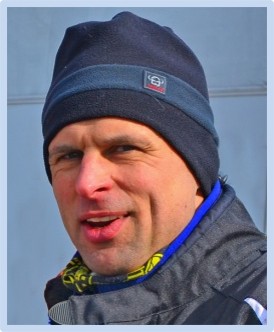
Hans Greiner
Issue 334, in January 2004, there came a new editor, new layout, but it’s still the only German-language print magazine dedicated to trials that’s driven by a passion for the sport.
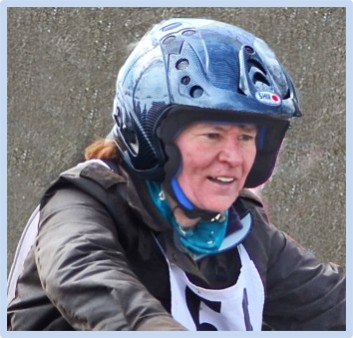
Josefine Cardenoso
Josefine Cardenoso and Hans Greiner:
Issue 358-359, the January-February 2006 double issue, had one-hundred and thirty two pages; the format increased by 24% from DIN A5 to 148 x 210 mm, the number of color pages rose to 50%, and the year’s subscription price increased from € 45 to € 50. Issue 360, in March 2006, the 30th Anniversary Edition was published. Issue 394-395, January-February 2009 double issue. Ninety-six pages, all in color, with the subscription price remaining at € 50. That was pretty crazy. Issue 454, January 2014, 10th anniversary for Josefine and Hans. The format was increased to DIN A4, and the cover price rose by 1 € per issue. Still, it’s the cheapest trial magazine in the world! Issue 480, in March 2016, to mark the 40th anniversary, the TRIALSPORT app was also released, along with a new layout for the title page.
There was a period of two years following Covid-19 when the magazine became involved in a franchise agreement with an English language publication, this was ill-fated and was eventually abandoned.
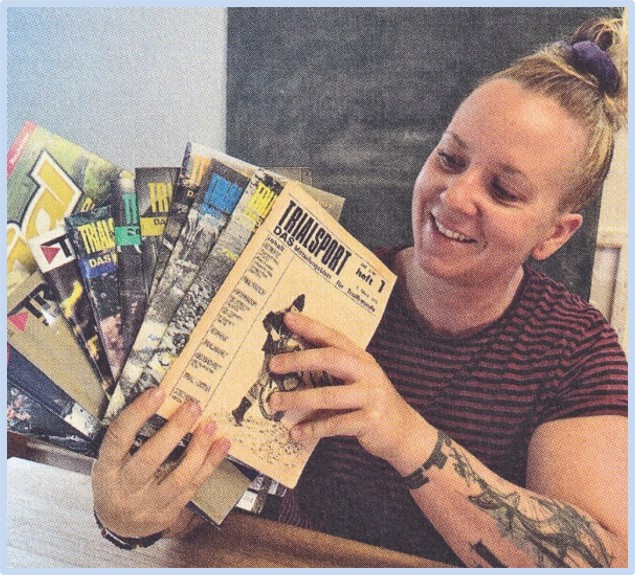
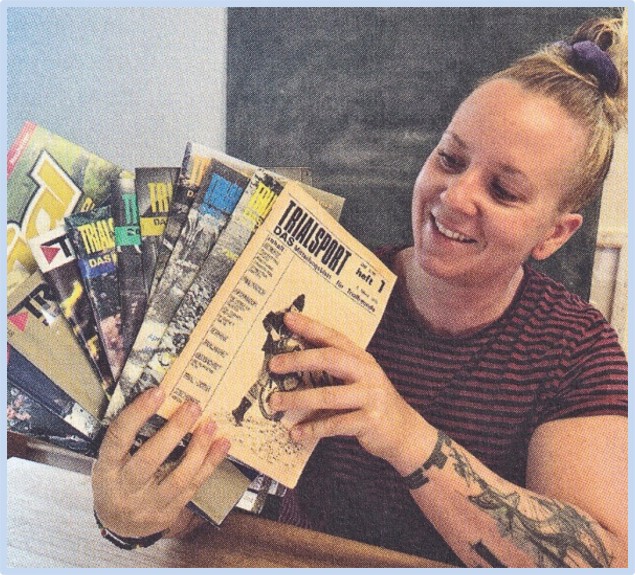
Mona Pekarek with issues of Trialsport
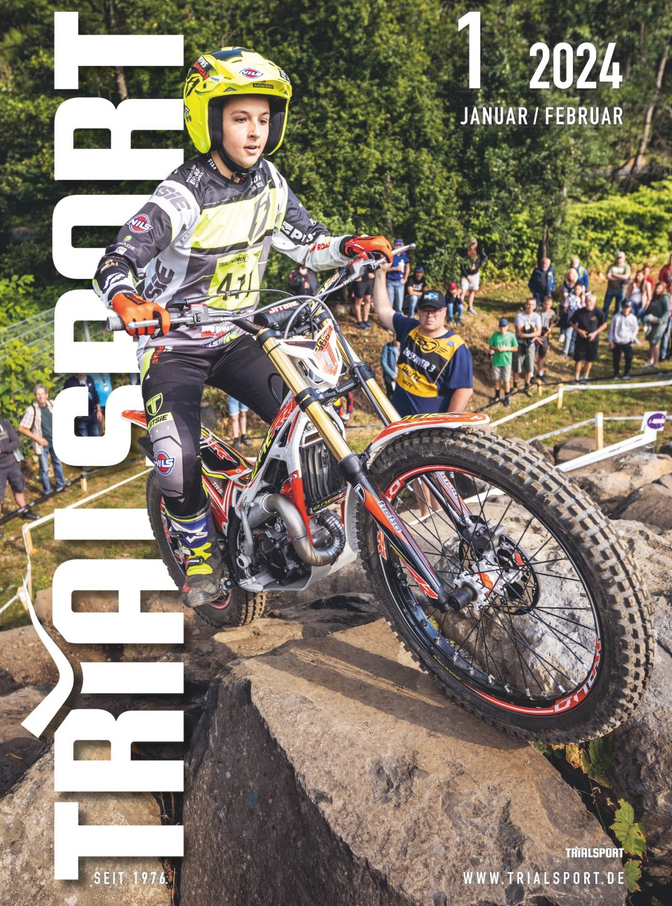
In 2024, Mona Pekarek had now taken over the reigns with Issue 1 of TRIALSPORT 2024. A new editor, a new concept, a new layout, a new logo, new paper, and a return to the original name of TRIALSPORT. No app—just a printed magazine. The TRIALSPORT graphic designer Corinna Ehmann played a key role in this. TRIALSPORT is once again known as ‘TRIALSPORT’ now with Mona Pekarek firmly at the helm.
’50 Glorious Years of Trialsport’ is the copyright of Rainer Heise, Hans Greiner and Mona Pekarek.
Apart from ‘Fair Dealing’ for the purpose of private study, research, criticism or review as permitted under the Copyright, Design and Patents Act, 1988, no part of this article may be copied, reproduced, stored in any form of retrieval system, electronic or otherwise or transmitted in any form or by any means, electronic, electrical, mechanical, optical, chemical, photocopying, recording or otherwise without the prior written permission of the author as stated above. This article is not being published for any monetary reward or monetisation, be that online or in print.
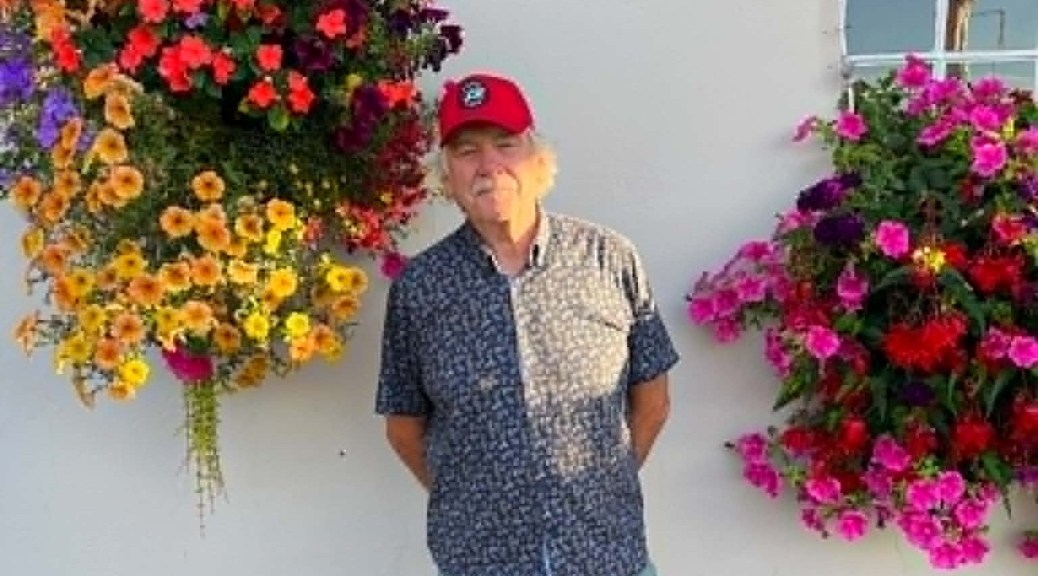
Steve Legg became involved in Bridport & District MCC around 1967 helping to set out scramble courses, then became a trials clerk of the course and was club chairman for many years.
Steve led many trials working parties and was a major part of the team when Bridport & Weymouth MCC – jointly promoted with the Sunbeam MCC the 1993 Southern Experts trial.
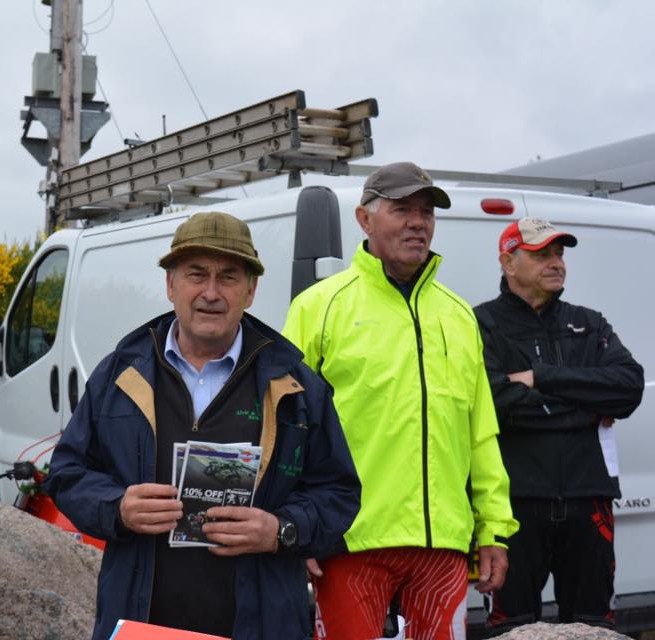
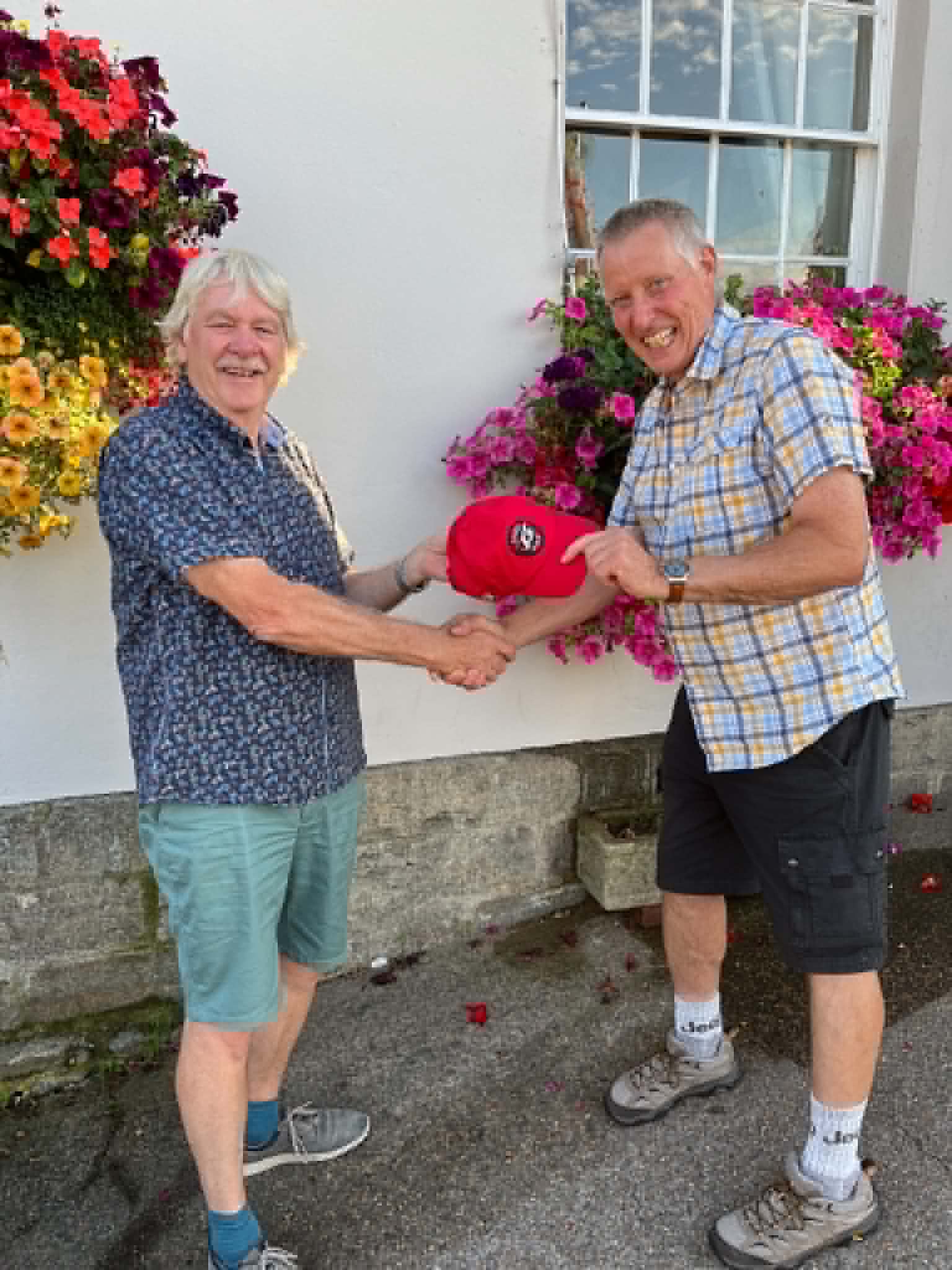
Steve Legg (left) receives his Trials Guru VIP cap from Andy Syms.
Steve has recently created a group of ‘Old Dorset Triallers’ who meet once a year for a natter about old times and a beer! Steve was really chuffed with his Trials Guru VIP cap and regards it as an honour – we hope he will be wearing it at our next Old Dorset Triallers gathering.
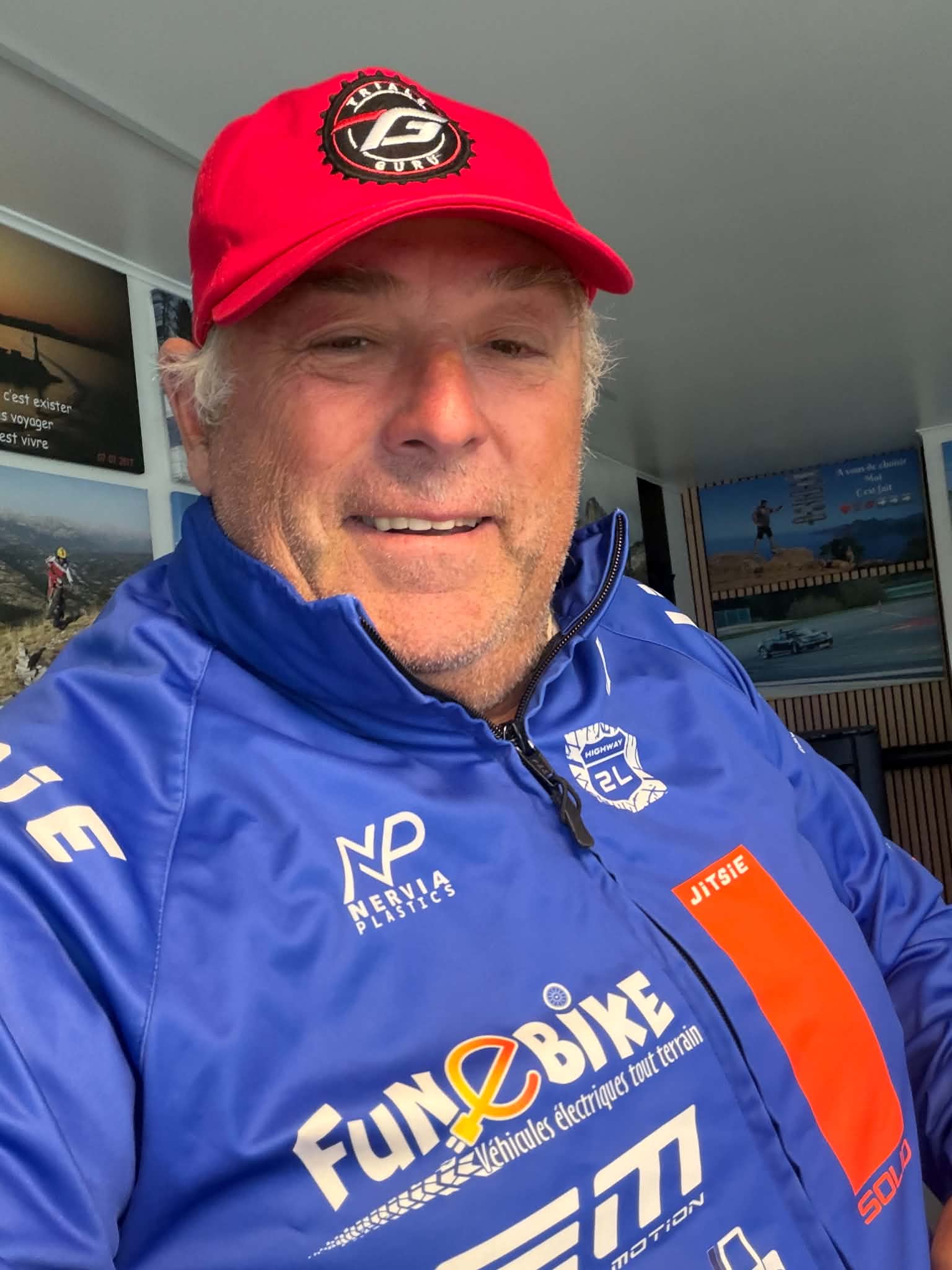
The youngest of the Lejeune brothers, Eric is now officially a Trials Guru VIP! Welcome to the club Eric!
Eric’s first world championship event was in the USA at Watkins Glen in 1984 as an 18 year old. His best result was on home turf in Belgium in 1985 when he was fifth.
The Premier Trial Website – Recording the History of the Sport 'Established 2014'